Why eCash Fees Stay Low: The Design Choices Behind It
One of the main reasons people look at eCash (XEC) is simple: transactions usually cost almost nothing. But “low fees” don’t happen by magic. They come from a set of design choices—how the network is structured, how transactions are processed, and how the fee market behaves when block space isn’t constantly scarce. eCash itself describes … Read more
Permissionless Money: The Original Bitcoin Vision eCash Tries to Keep Alive

“Permissionless money” sounds like a big concept, but the idea is actually simple: you should be able to send and receive value without asking anyone for approval. No bank account required. No gatekeeper. No “sorry, your transaction was blocked.” This was one of the original promises behind Bitcoin. Over time, different networks evolved with different … Read more

eCash vs Bitcoin: Different Goals, Different Trade-Offs

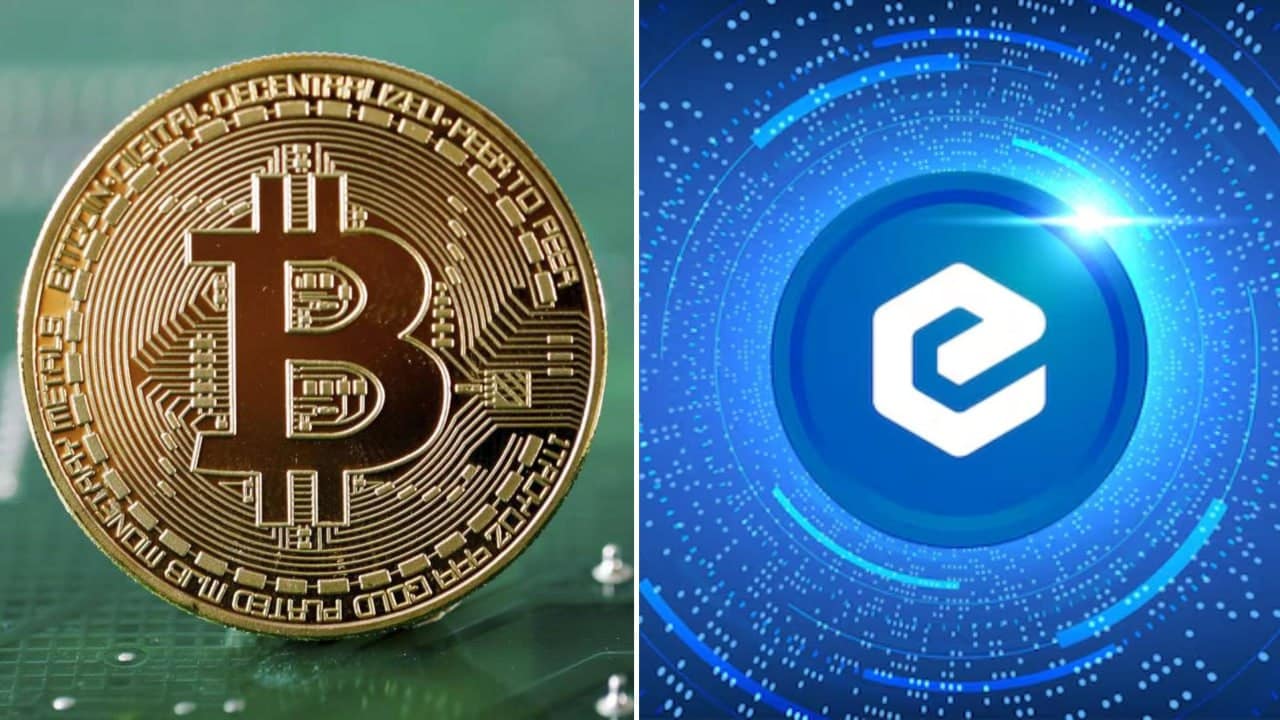
Bitcoin (BTC) and eCash (XEC) both come from the same “Bitcoin DNA,” but they are not trying to become the same thing. The easiest way to understand the difference is this: Bitcoin today is optimized for long-term security and being a global reserve asset, while eCash is optimized for fast, low-cost everyday payments. That difference … Read more

eCash Scaling Roadmap Explained: How XEC Prepares for Mass Adoption

Scaling is one of the defining challenges for any blockchain that aims to move beyond niche use cases. For digital cash, the ability to handle large transaction volumes is not optional but fundamental. The scaling roadmap of reflects a long-term effort to make everyday payments possible without sacrificing decentralization or security. Why Scaling Matters for … Read more

How eCash Combines Proof-of-Work and Proof-of-Stake

Most blockchain networks choose between proof-of-work or proof-of-stake as their primary consensus mechanism. eCash takes a different approach by combining both, aiming to balance security, decentralization, and speed. This hybrid design is not about following trends, but about solving practical limitations that emerge when blockchains are used for everyday payments. Understanding Proof-of-Work Proof-of-work is the … Read more

FIRMA in the eCash Ecosystem: USD Stability, Daily Yield, and Instant Transfers Explained

FIRMA is one of the most talked-about “extra components” in the broader eCash ecosystem because it sits on top of the eCash blockchain (XEC) and is designed to behave like digital dollars — but with a twist: it pays daily yield to holders. This article focuses only on the strongest points that are publicly described … Read more

What Is Avalanche Pre-Consensus and Why Transaction Finality Matters in eCash

One of the most important (and most misunderstood) concepts in blockchain payments is transaction finality. For a network that wants to act like digital cash, users and merchants need clarity: when is a payment truly “done” and safe to accept? In eCash, the feature most commonly associated with near-instant payment confidence is called Avalanche Pre-Consensus … Read more

Why eCash Uses XEC Instead of Decimal Bitcoins

One of the most noticeable differences between eCash (XEC) and Bitcoin-based networks is how values are displayed and denominated. Instead of using long decimal fractions like 0.00001234, eCash uses whole-number units called XEC. At first glance, this may seem like a cosmetic change. In reality, the decision to adopt XEC as the primary unit reflects … Read more

The History of eCash: From Bitcoin Cash ABC to XEC

The history of eCash (XEC) is deeply connected to long-standing debates about the purpose of cryptocurrency: whether it should primarily serve as a store of value, a programmable financial platform, or practical peer-to-peer digital money. eCash emerged from these debates with a clear focus on usability and payments. Rather than being created from scratch, eCash … Read more

What Is eCash (XEC) and What Problem Does It Aim to Solve?

eCash (XEC) is a cryptocurrency designed for fast, low-cost digital payments, built to function as everyday electronic cash rather than a speculative asset. Its primary goal is simple: make digital money practical for real-world use. As many blockchain networks become slower, more expensive, or increasingly complex, eCash takes a different approach by focusing on one … Read more