
Goldman Sachs CEO Emphasizes Need for Regulatory Framework in U.S. Crypto Market
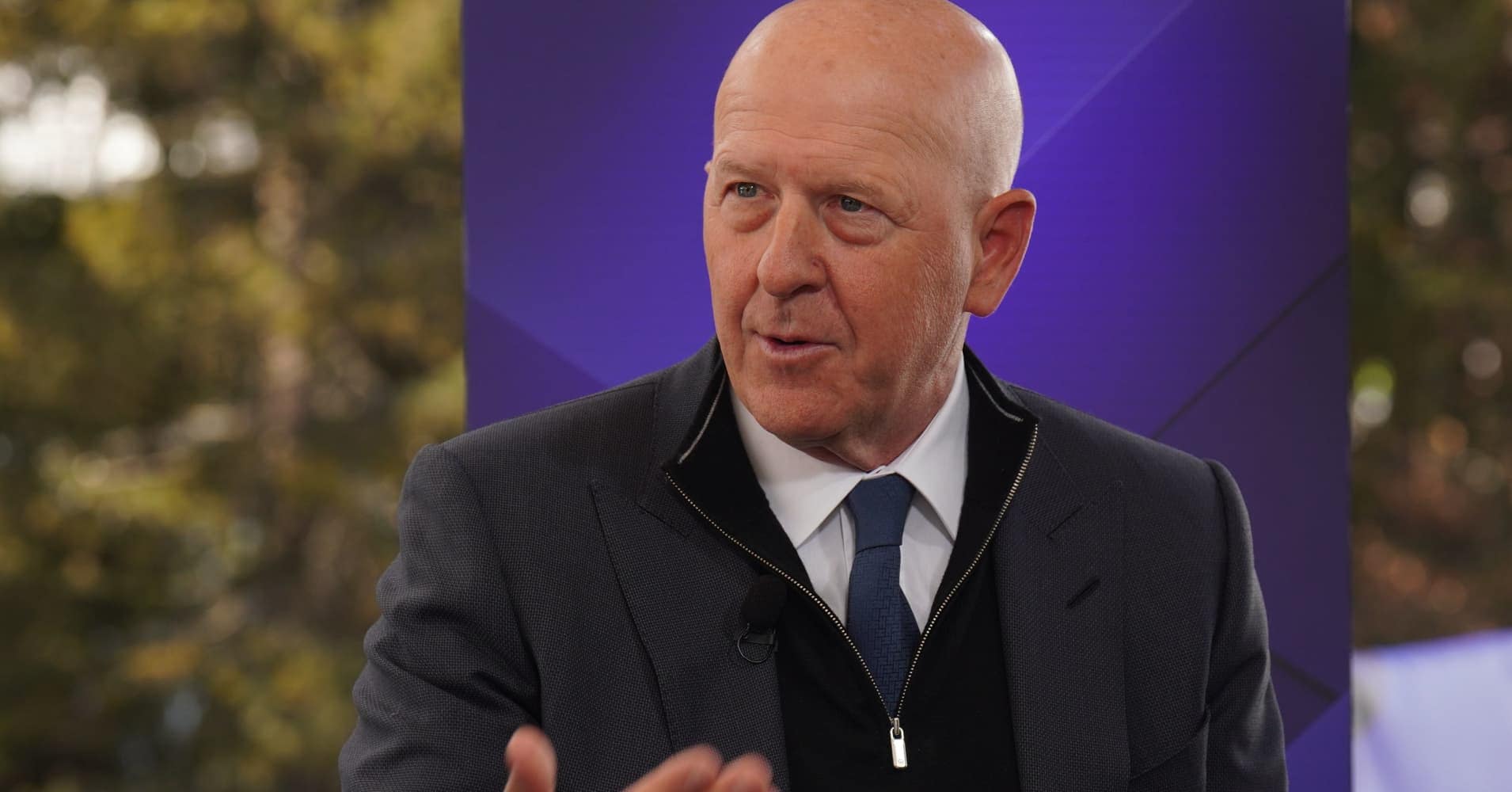
Goldman Sachs CEO David Solomon has highlighted the importance of establishing a clear, rule-based system for how cryptocurrencies and related financial instruments operate in the United States. His comments came during an appearance at the World Liberty Forum, an event hosted by the Trump family’s crypto venture, World Liberty Financial.
Solomon emphasized that it is “very, very important” to codify such a system, stating that those who believe the cryptocurrency industry can function without rules are likely mistaken. He added, “If there are people who think we are going to operate in this environment without rules, they are probably wrong, and they should move to El Salvador.”
The remarks were made during an interview with CryptoGazet.com’s Sara Eisen, where Solomon expressed his belief that a rules-based system is essential for operating markets safely and soundly. He also noted that the U.S. banking system must coexist with technological innovations like cryptocurrency.
Solomon’s comments align with those of Treasury Secretary Scott Bessent, who recently testified before the Senate Banking Committee in support of the CLARITY Act—a proposed bill aimed at creating a national regulatory structure for cryptocurrencies.
The CLARITY Act and Ongoing Challenges
The CLARITY Act has faced delays due to disputes over whether digital asset companies should be allowed to offer rewards or payments on stablecoins. Banks have raised concerns about these practices, as they could compete with traditional interest payments on depositors’ accounts.
Despite these challenges, both Solomon and Bessent stress the importance of passing the CLARITY Act. Bessent said during his testimony that having “clear rules of the road” for cryptocurrency is crucial for the U.S. market.
Solomon also shared his perspective on Goldman Sachs’ involvement in the crypto space. He stated that while the firm is “super-interested in” crypto-related business, it remains a small percentage of the company’s overall operations. However, he acknowledged that the firm is exploring various aspects of digitization and tokenization.
“We touch all that stuff,” Solomon said, adding that the firm aims to serve its clients’ needs, even if crypto is not central to its core business.
Political and Industry Perspectives
Senator Bernie Moreno, R-Ohio, also spoke at the conference, expressing some concerns about the CLARITY Act but remaining optimistic that it could be passed by Congress and signed into law by President Donald Trump by April.
Moreno dismissed fears that the bill might fail due to potential Democratic gains in the upcoming midterm elections. He predicted that neither the House nor the Senate would fall under Democratic control.
Meanwhile, Coinbase CEO Brian Armstrong welcomed the progress being made on the CLARITY Act, calling it a “win-win-win” scenario for the crypto industry, banks, and American consumers. He emphasized the goal of making the U.S. the “crypto capital of the world.”
Conclusion
As the debate over cryptocurrency regulation continues, the voices of industry leaders and policymakers are shaping the path forward. With calls for a clear regulatory framework and ongoing discussions about the role of traditional banks in the crypto ecosystem, the future of digital finance in the U.S. remains a topic of significant interest and importance.