
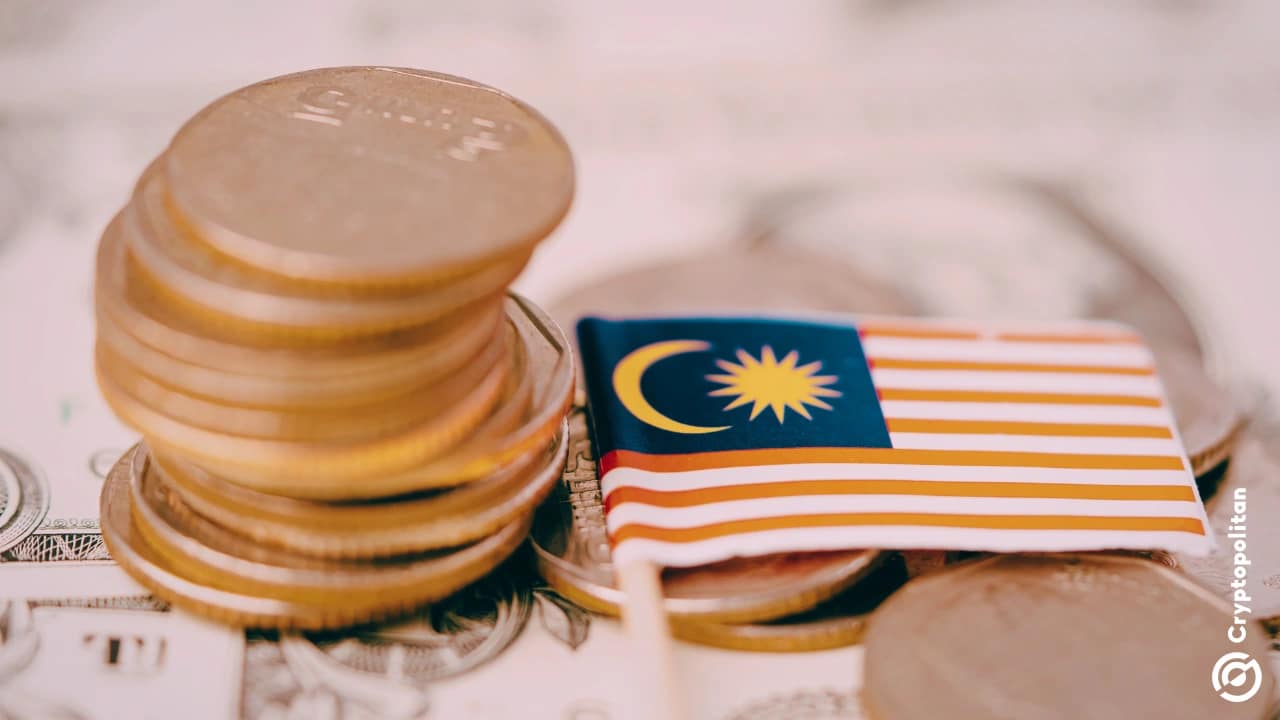
Expansion of Digital Asset Regulatory Sandbox
Bank Negara Malaysia (BNM), the country’s central bank, has introduced an enhanced digital asset regulatory sandbox as part of its Digital Asset Innovation Hub (DAIH). This initiative is aimed at testing stablecoins and tokenized financial products. The program will allow BNM to explore how digital versions of the Malaysian ringgit and other tokenized financial products might function in real-world scenarios.
The sandbox will focus on ringgit-backed stablecoins, which are digital tokens designed to maintain a stable value tied to the Malaysian currency. Additionally, it will include tokenized bank deposits. These experiments are expected to provide insights into how such digital assets could facilitate faster cross-border payments and potentially influence the development of a central bank digital currency (CBDC).
According to BNM, the testing process will help assess the implications for monetary and financial stability, guiding policy direction in these areas. The central bank aims to provide greater clarity on the use of ringgit stablecoins and tokenized deposits by the end of 2026.
A CBDC is a form of money created and held in circulation by a central bank through digital means. Several major banks around the world have joined trials of CBDCs. In addition, Standard Chartered Bank, CIMB Group Holding, Maybank, and investment company Capital A are among the institutions planning to evaluate Shariah-related considerations. These are rules derived from Islamic law that guide financial practices and must be adhered to in compliance with Islamic finance products.
BNM notes that lessons learned from the sandbox programs will shape the country’s policies on digital assets and tokenization. Globally, governments are actively exploring digital currencies and tokenized assets to keep up with the evolving digital economy.
Malaysia Tests Shariah-Compliant Tokenization
In November 2025, BNM released a three-year roadmap for testing tokenization across various sectors. As previously reported, the central bank is establishing a Digital Asset Innovation Hub and an industry working group to gather feedback on potential use cases, including supply chain finance and Islamic financing solutions.
The central bank stated in its report that it plans to conduct proofs of concepts and pilot studies in 2026, expanding the scope the following year. The roadmap highlights potential applications in supply chain management, Shariah-compliant finance, access to credit, programmable finance, and round-the-clock cross-border settlements.
Malaysia’s central bank will also evaluate “Shariah-related considerations,” which pertain to the Islamic code of law governing social, financial, and political customs. Tokenization enables real-world assets like property, bonds, or commodities to be represented digitally on a blockchain.
A significant event occurred in December when Ismail Ibrahim, the eldest son of Malaysia’s current king, introduced a ringgit-pegged stablecoin called RMJDT. Issued by his telecom company, Bullish Aim, this token is being tested in a sandbox and has not been used in public trades.
That same month, Standard Chartered Bank and Capital A announced their own plans to study ringgit-backed stablecoins for wholesale settlement. These stablecoins are intended for large-scale transactions among financial institutions, central banks, and governments, rather than for everyday retail use.
BNM’s Sandbox for Tokenized Finance
BNM’s sandbox offers a controlled environment for testing new digital financial products without introducing new risks to the general public. The initiative aims to educate regulators on the technical, operational, and legal aspects of tokenized assets, with support from banks and private companies.
This approach also demonstrates how tokenized bank deposits could operate, such as through automated cross-border settlements and integration with programmable financial contracts.
As tokenized assets and digital currencies gain importance, BNM’s sandbox positions Malaysia to explore the potential benefits of these technologies and adapt its regulations to a rapidly changing financial landscape.
Claim your free seat in an exclusive crypto trading community – limited to 1,000 members.