
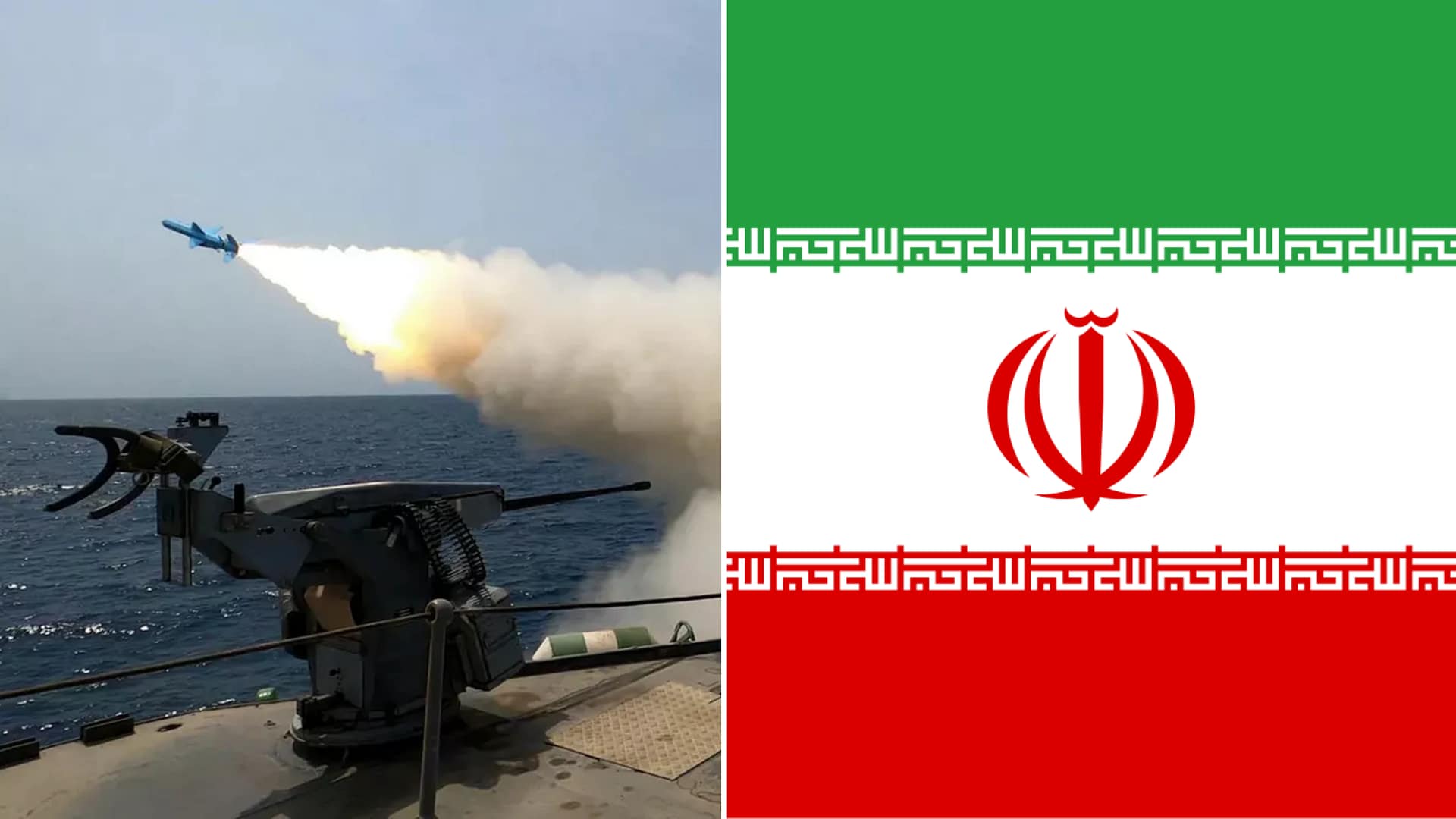
Iran has launched new live-fire naval exercises around the Strait of Hormuz, a move that immediately pulls energy-shock and escalation risk back into global macro pricing—conditions that often spill into crypto through USD liquidity, volatility regimes, and thinner weekend order books.
Separately, regional reporting has pointed to further Iran-Russia-China maritime coordination in coming weeks, while U.S.-Israel dynamics are again being framed as a source of pressure on President Donald Trump’s Iran posture. Even when no direct disruption occurs, the market impact can arrive via the same channels: higher implied volatility, tighter risk budgets, and faster narrative-driven positioning shifts across risk assets.
Key Takeaways
- The Strait of Hormuz is a macro transmission hub: any perception of increased risk can reprice oil, inflation expectations, and the U.S. dollar, which can tighten financial conditions for crypto.
- Live-fire exercises matter less for “what happened” than for “what can happen”: markets price tail risk through options skews, wider credit spreads, and reduced leverage tolerance.
- Crypto often feels geopolitical stress through microstructure first—wider spreads, lower depth, and derivatives-led discovery—especially during low-liquidity windows.
- Reports of expanding trilateral drills (Iran-Russia-China) can raise the probability of prolonged maritime tension, even if framed as “security cooperation,” because they complicate deterrence and messaging.
- U.S.-Israel decision pressure increases headline velocity; fast-moving policy headlines can produce short-lived correlation spikes across equities, FX, commodities, and crypto.