
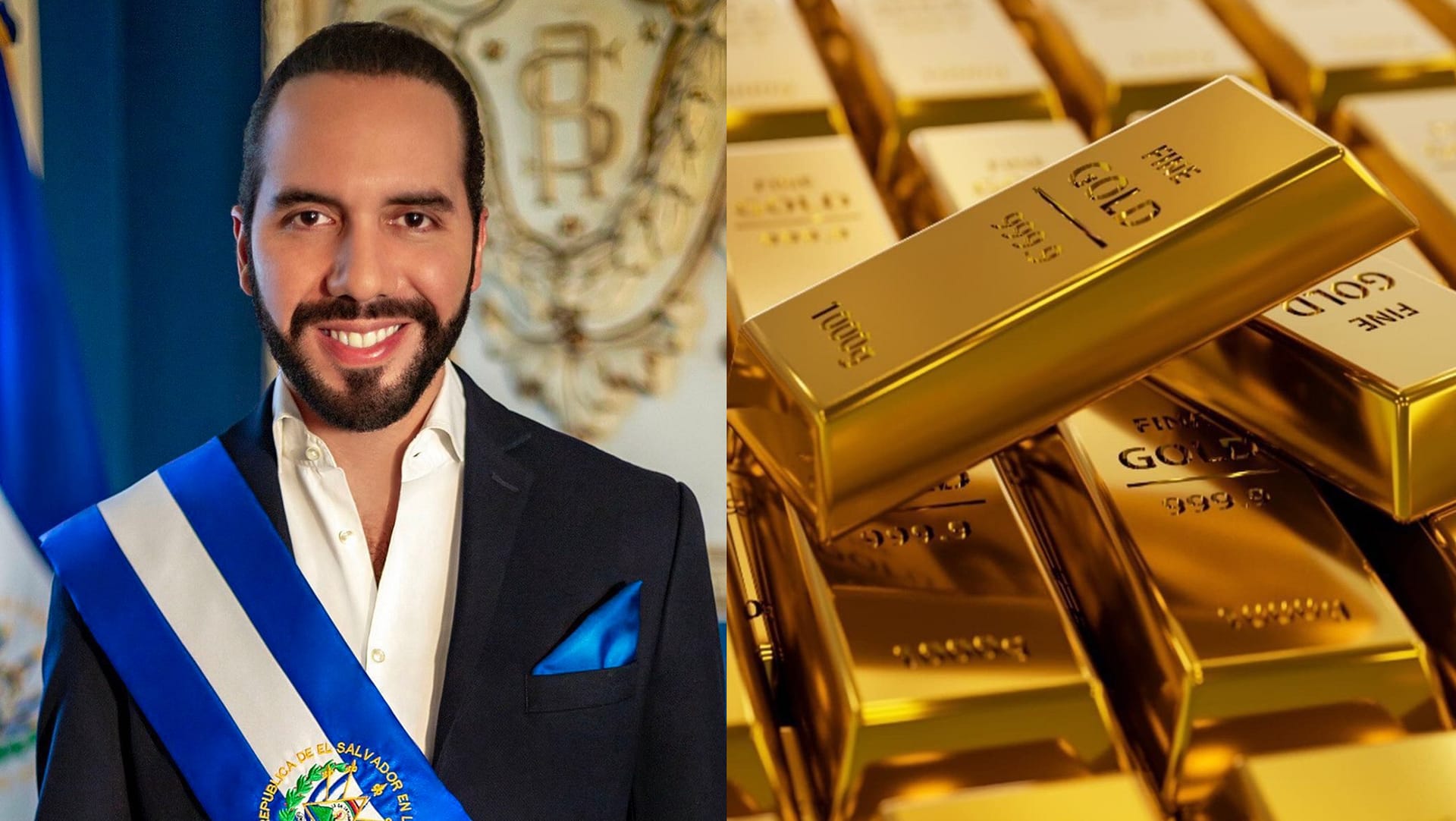
El Salvador has purchased approximately $50 million worth of gold, according to officials familiar with the decision, marking a notable move to diversify the country’s reserve assets beyond traditional currencies. The acquisition comes as governments worldwide reassess reserve strategies amid persistent inflation risks and global economic uncertainty.
International media reports indicate the purchase was made through official channels and forms part of a broader effort by El Salvador to strengthen its balance sheet with hard assets. The move follows a trend of renewed interest in gold by sovereign entities seeking insulation from currency volatility.
Key Takeaways
- El Salvador has acquired roughly $50 million worth of gold for its reserves.
- The purchase reflects a broader strategy to diversify national assets.
- Gold demand from sovereign buyers has increased globally in recent years.
- The move comes amid ongoing macroeconomic and currency uncertainty.
Strengthening Reserve Diversification
According to reporting by Reuters, the gold purchase aligns with El Salvador’s efforts to reduce reliance on fiat currencies and bolster financial resilience. Gold has historically played a key role in reserve portfolios due to its liquidity and long-term store-of-value characteristics.
Analysts note that while $50 million represents a modest allocation in absolute terms, the symbolic value of the move is significant, particularly for a smaller economy seeking alternative reserve strategies.
Global Context of Rising Gold Demand
Central banks around the world have been net buyers of gold, a trend highlighted in recent data from the World Gold Council and covered extensively by Bloomberg. Emerging market economies, in particular, have increased allocations as they seek to hedge against geopolitical risk and shifts in global monetary policy.
El Salvador’s purchase places it alongside a growing list of countries using gold to reinforce confidence in national reserves.
Economic and Policy Considerations
Economists point out that gold holdings can help stabilize reserves during periods of market stress but do not generate yield, making allocation size and timing critical. Coverage by regional financial outlets notes that El Salvador continues to balance reserve diversification with broader fiscal and economic challenges.
The gold acquisition may also be viewed as part of a longer-term strategy to position the country more defensively against external shocks.
Market Implications
While the purchase is unlikely to move global gold markets on its own, it adds to a steady backdrop of official-sector demand. Analysts cited by Bloomberg have emphasized that sustained sovereign buying has been a key support factor for gold prices over the past two years.
Such moves can also influence investor sentiment by reinforcing gold’s role as a trusted reserve asset.
What To Watch Next
- Further disclosures on El Salvador’s reserve composition.
- Additional gold purchases by emerging market central banks.
- Trends in global inflation and monetary policy.
- Gold price reactions to continued sovereign demand.
This article is for informational purposes only and does not constitute financial advice.