
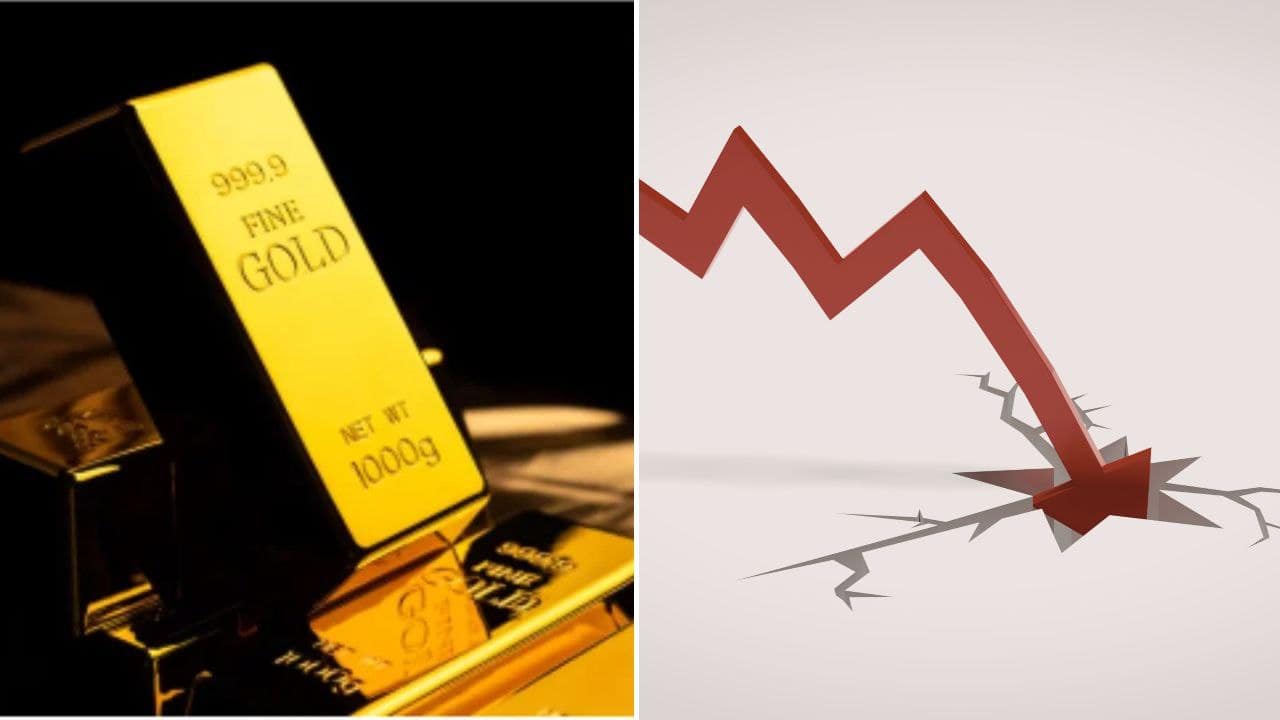
Markets aren’t always “one direction.” In geopolitical shocks, it’s common to see one group of assets drop (like gold) while others spike (like oil, gas, and industrial metals). That is not a contradiction — it usually means different assets are reacting to different pressures at the same time.
Right now the setup looks like this:
- Gold and silver are pressured mainly by the U.S. dollar and profit-taking.
- Oil and gas are rising because traders are pricing supply risk.
- Aluminum is rising partly as a “second-order” move from higher energy costs.
1) Gold and Silver Down Doesn’t Mean Fear Is Gone
Gold is often treated as a “risk hedge,” but it doesn’t move on fear alone. In the short term, gold is heavily influenced by:
- Positioning and profit-taking
- The U.S. dollar
- Real yields and rate expectations (even if headlines are scary)
A) Profit Booking After a Strong Run
If gold has rallied hard in the prior days/weeks, many traders will lock in gains on the next big headline. That creates a very normal pattern:
- Gold rallies into uncertainty → becomes crowded
- Big headline hits → traders take profit
- Gold dips even though the news is “risk-off”
This is especially common when markets are stressed and liquidity is thin — people raise cash by selling what’s up the most.
B) Strong Dollar = Headwind for Bullion
You mentioned the dollar index around 99.2. A firmer USD often caps gold because gold is priced in dollars globally:
- When the dollar rises, gold becomes more expensive for non-US buyers.
- That can reduce marginal demand in the short term.
- Even if “fear demand” exists, the stronger USD can still suppress price action.
So the logic is not “sentiment is gone.” It’s more like: USD strength is temporarily winning the tug-of-war.
2) Oil and Gas Up: Markets Pricing Supply Risk
Energy markets react differently than gold because oil and gas are not just financial assets — they’re physical commodities tied to logistics and supply routes.
A) Risk Premium Gets Added Before Anything Breaks
When conflict risk rises near critical infrastructure or shipping routes, oil markets often price in a “risk premium” immediately:
- Not because disruption is guaranteed
- But because the probability of disruption increases
- And that probability has a cost
This is why oil can jump even if supply hasn’t dropped yet. Markets don’t wait for confirmation — they hedge the risk early.
B) Why the Strait of Hormuz Matters So Much
The Strait of Hormuz is a key chokepoint for global energy flows. If there’s any threat of disruption (even temporary):
- Shipping insurance costs can spike
- Tankers can reroute or delay
- Physical supply timing becomes uncertain
That uncertainty alone can lift crude and LNG-linked pricing, because energy buyers and traders start paying up for “guaranteed” supply.
3) Aluminum Up: The Energy-Linked Metal Effect
Aluminum often moves with energy because aluminum production is extremely electricity-intensive. That makes it different from gold:
- Energy up → smelter costs up → aluminum price support
- If power prices rise or supply becomes uncertain, margins get squeezed
- In some regions, high power costs can even reduce output
So aluminum can rally as a “second-order” trade: not purely on geopolitics, but on the cost shock transmitted through oil/gas and power markets.
4) Why the Market Looks “Not One Direction” Right Now
It helps to think of this as three different engines running at once:
- Gold engine: USD + rates + profit-taking
- Oil/gas engine: supply risk premium + logistics
- Aluminum engine: energy input costs + industrial hedging
When these engines disagree, you get a “split tape” market — some commodities up, some down, equities choppy, and correlations breaking.
5) What Would Make Gold Turn Back Up Fast?
You already nailed the key point: if the dollar weakens and conflict risk stays high or escalates, gold can snap back quickly.
Here are the most common triggers for gold to regain momentum:
- USD softens (DXY rolls over)
- Real yields fall (rates expectations shift dovish)
- Risk premium spreads beyond energy (broader financial stress)
- Central bank / institutional bid returns after the first wave of profit-taking clears
In other words, gold doesn’t need “more fear” — it often just needs less USD pressure or a clear move in rates.
Bottom Line
This isn’t a contradictory market. It’s a market with different sources of pressure:
- Gold is being held down mainly by a strong dollar and profit-taking.
- Oil and gas are rising because supply risk is being priced in immediately.
- Aluminum is rising because higher energy costs push production costs up.
If the USD stays firm, bullion can remain capped even with scary headlines. If the USD weakens while the geopolitical risk persists, gold can rebound fast. For now, the dollar is still steering the wheel.
This article is for informational purposes only and does not constitute financial advice.