
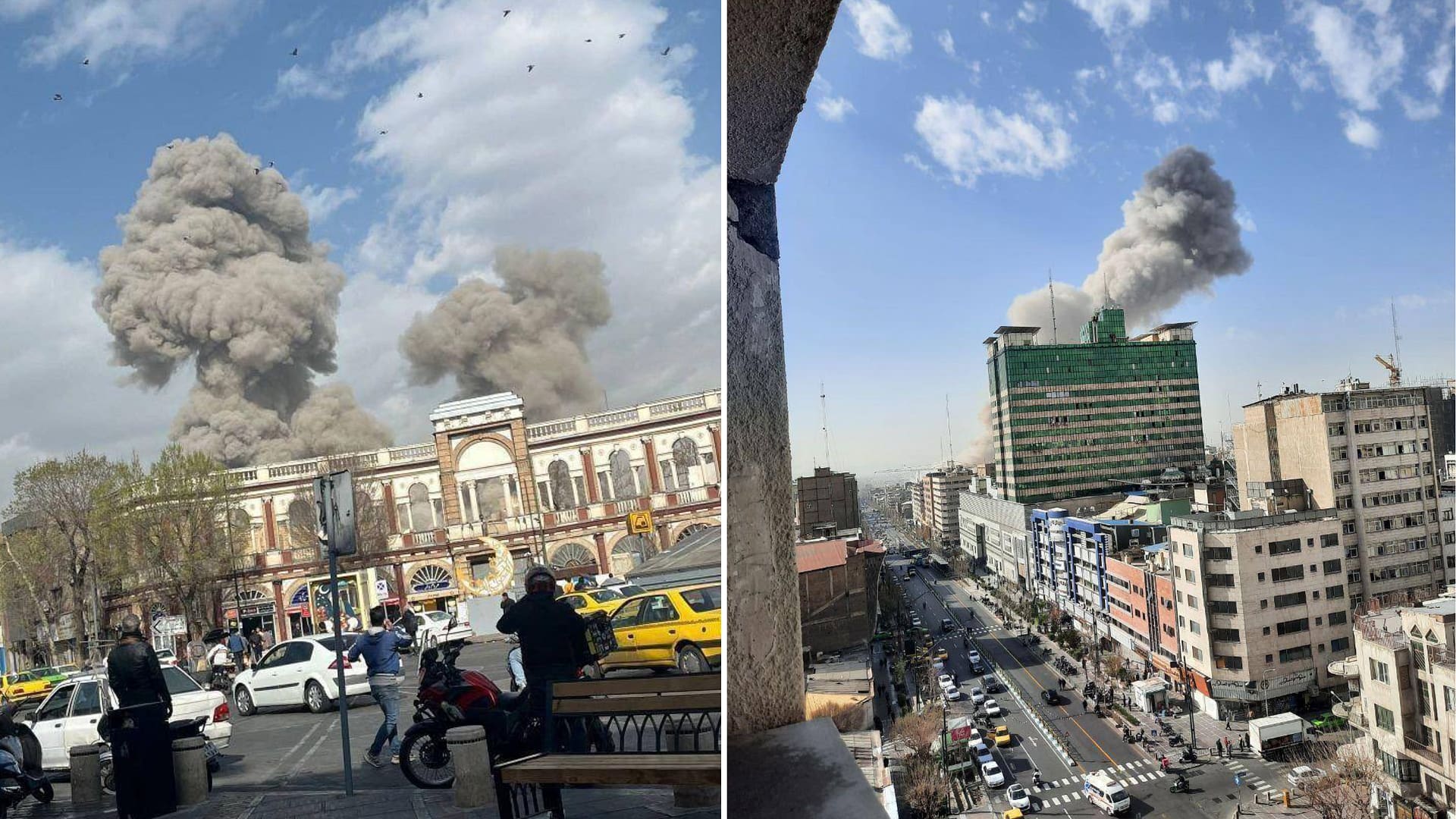
Israel has launched what it described as a “preemptive strike” on Iran, with multiple reports of explosions and smoke in Tehran early Saturday. Israeli officials said the operation was initiated amid expectations of an imminent Iranian missile-and-drone attack, while multiple outlets reported U.S. involvement or coordination to varying degrees.
The situation is rapidly developing, with airspace restrictions, emergency measures, and heightened alerts reported on both sides. Details on casualties and the full scope of targets were not immediately confirmed in early reporting.
Key Takeaways
- Israel says it carried out a “preemptive strike” on Iran amid warnings of an imminent Iranian attack.
- Reports indicate blasts and smoke in Tehran, including near central areas.
- Multiple reports suggest U.S. involvement or coordination, though the extent remains unclear.
- Israel declared emergency measures and closed airspace; Iran also reportedly restricted airspace and communications in some areas.
What Happened
According to early statements cited by major outlets, Israel framed the strikes as a preemptive move to “remove threats” and said it expected an Iranian missile-and-drone attack “in the immediate future.”
Live reporting described smoke rising over Tehran after explosions, with some reports indicating the strike occurred in central areas near significant government-related sites.
U.S. Role: What’s Confirmed vs. What’s Reported
Several reports state the United States participated in or supported the operation, but details vary between outlets and remain incomplete in early coverage. One AP report said the U.S. took part, while other reporting referenced coordination or assistance.
Because the situation is unfolding, readers should treat claims about the exact level of U.S. involvement as provisional until official statements provide clearer specifics.
Immediate Regional Impact
Israel reportedly moved to emergency footing, including steps such as airspace restrictions and heightened civil defense readiness, anticipating possible retaliation. Reports also noted disruptions and restrictions on the Iranian side, including airspace measures and communications constraints.
Why Markets Care
Any direct Israel–Iran escalation can quickly spill into broader regional risk—especially given shipping routes, energy infrastructure sensitivities, and the risk of retaliatory strikes affecting neighboring countries. Traders will be watching oil price reaction, safe-haven flows, and risk appetite across global equities and crypto.
What to Watch Next
- Iran’s response: official statements, military posture, and any retaliatory launches.
- Clarity on targets: whether strikes focused on military, intelligence, or nuclear-linked facilities (and what damage is confirmed).
- U.S. positioning: formal confirmation of involvement, force posture changes, and diplomatic messaging.
- Airspace & maritime advisories: disruptions that could affect travel, shipping, and energy flows.
This article is for informational purposes only and does not constitute financial advice.