
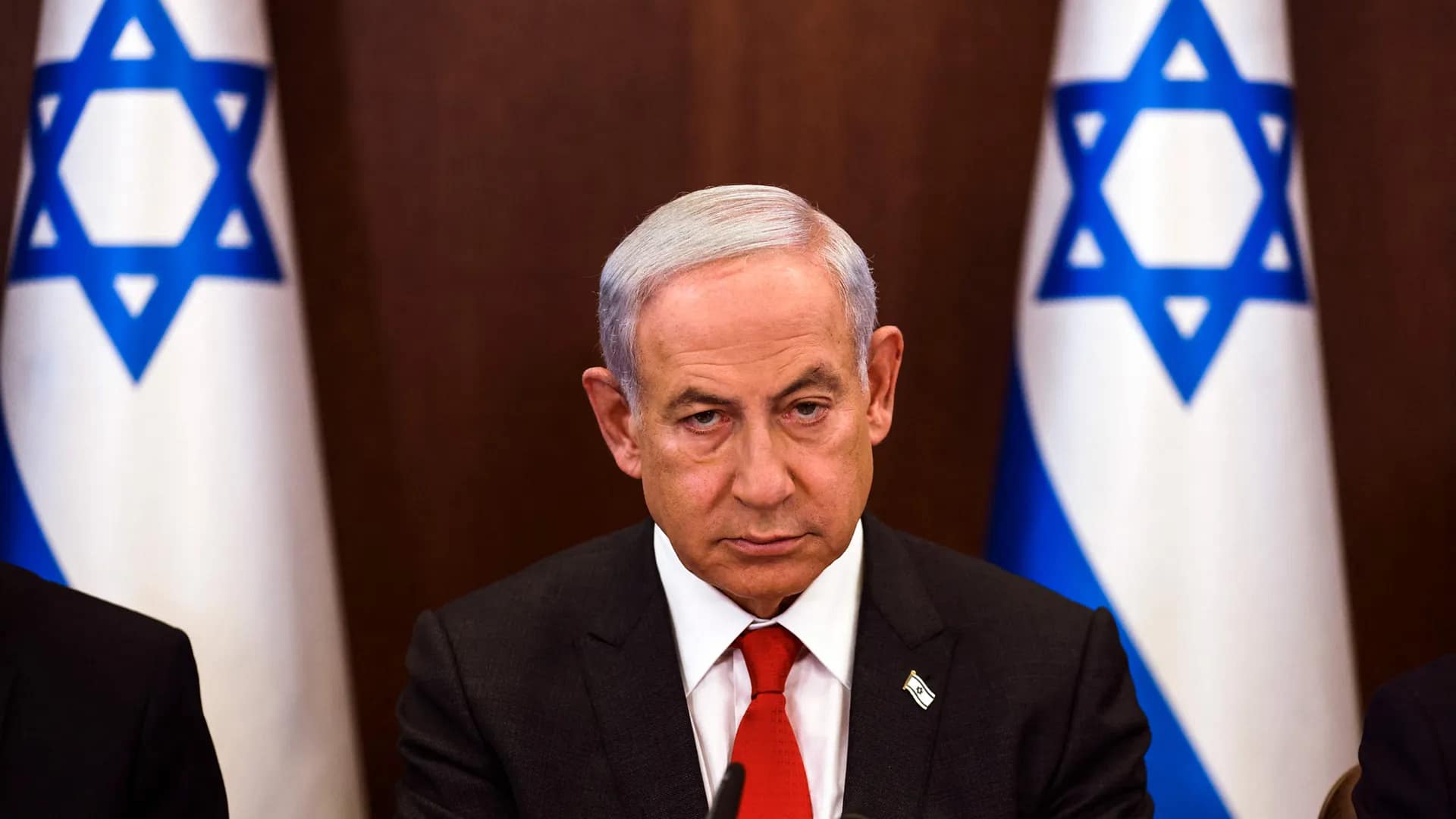
Israeli Prime Minister Benjamin Netanyahu is expected to use his Washington visit to push U.S. President Donald Trump toward a tougher negotiating posture with Tehran, as regional tensions and nuclear diplomacy return to the forefront of U.S. Middle East policy. In its reporting, the Financial Times said Netanyahu plans to argue that any renewed process with Iran should be backed by stronger pressure and clearer red lines.
The visit comes as U.S.-Iran discussions continue to draw scrutiny from Israel and Gulf partners, with Washington weighing how to curb Iran’s nuclear activity while managing escalation risks across the region.
Key Takeaways
- Netanyahu is expected to urge Trump to adopt a harder line in talks with Iran, according to the Financial Times.
- Public statements from Netanyahu ahead of the trip have emphasized stricter terms beyond nuclear issues, including missiles and regional proxies.
- U.S. media coverage has framed the meeting as closely tied to the trajectory of U.S.-Iran negotiations and regional deterrence.
- Markets may watch for implications for oil prices, sanctions enforcement, and broader risk sentiment that can spill into crypto volatility.
Why the Netanyahu–Trump Meeting Matters Now
The White House meeting is being closely watched because it touches the core question of how far the U.S. is willing to go to constrain Iran’s nuclear program and regional influence. The Financial Times reported that Netanyahu intends to advocate for a tougher U.S. stance, reflecting Israel’s long-running concern that diplomacy without meaningful leverage could leave Iran’s capabilities intact.
Separately, coverage by the Associated Press has described the agenda as centered on U.S. talks with Iran, underscoring that the timing of the visit is directly linked to the state of negotiations and the risks of miscalculation in the region.
Israel’s Reported Priorities: Beyond the Nuclear File
In remarks carried by Israeli outlets in the lead-up to the trip, Netanyahu has signaled he wants any U.S. approach to address not only enrichment and verification, but also ballistic missiles and Iran-aligned armed groups across the Middle East. Reporting by The Times of Israel has highlighted Netanyahu’s intent to present guiding “principles” for how negotiations should be structured and what outcomes Israel would view as acceptable.
Potential Market Impact: Oil, Sanctions, and Risk Sentiment
Investors typically monitor U.S.–Iran developments for their impact on energy markets and global risk appetite. Escalation concerns can lift crude prices and widen risk premia, while signs of de-escalation can have the opposite effect. Crypto markets, while driven by their own catalysts, often react to sharp swings in macro sentiment, liquidity conditions, and headline-driven volatility.
Traders will likely watch for any changes in U.S. sanctions posture, enforcement intensity, or rhetoric that hints at a tighter or looser economic squeeze on Iran, since those signals can ripple through commodities, FX, and broader risk assets.
What Officials Have Said Publicly
Public messaging ahead of the meeting has pointed to a focus on the terms of diplomacy and deterrence. Netanyahu has indicated he plans to lay out Israel’s approach during talks in Washington, while Iranian officials have repeatedly emphasized their negotiating positions and warned against threats. International coverage, including Al Jazeera’s reporting on Netanyahu’s stated “principles,” suggests both sides are working to shape expectations as talks proceed.