
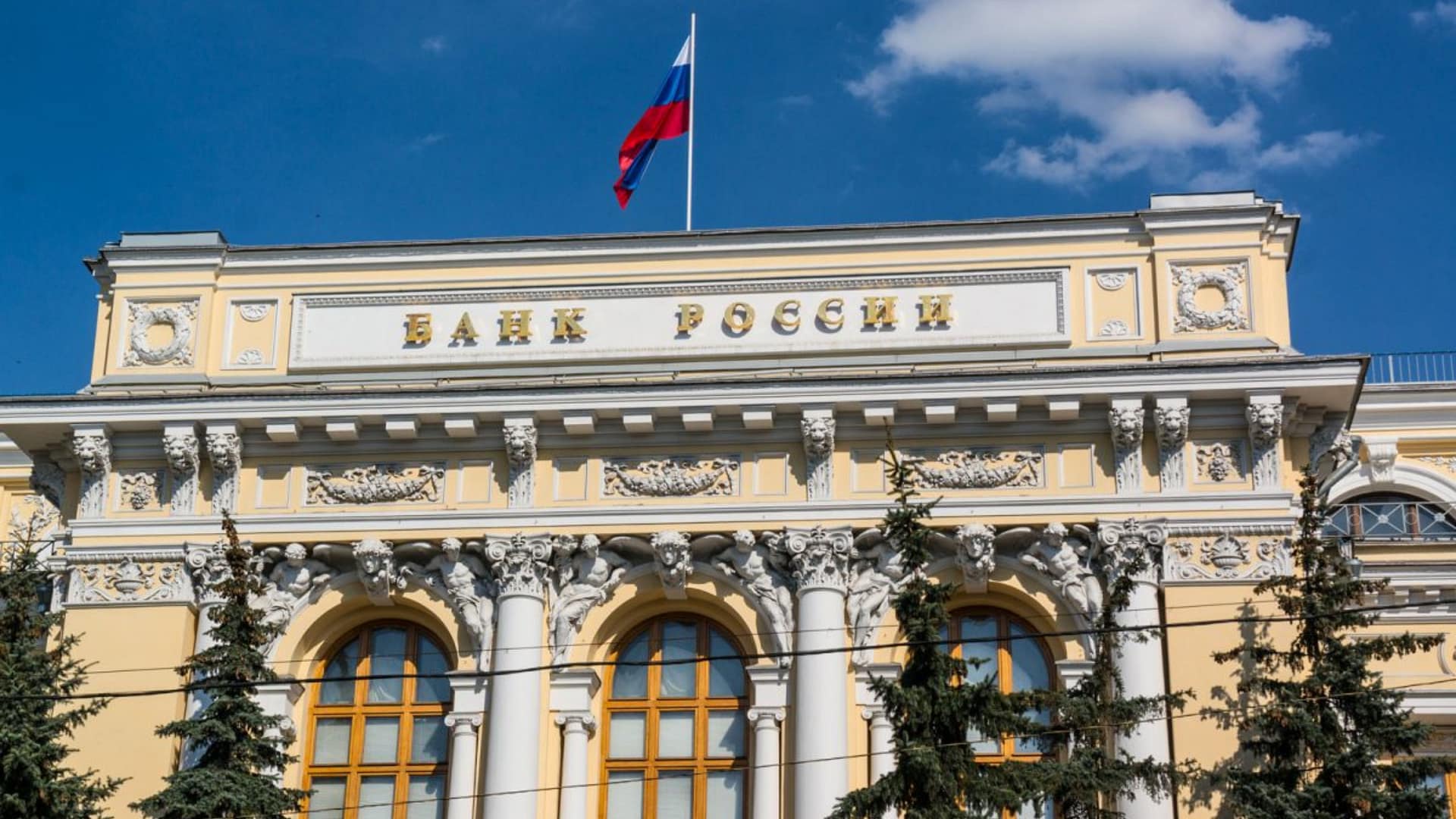
The Central Bank of Russia is widely expected to keep its key interest rate unchanged at 16% when policymakers meet on February 13, according to a consensus forecast compiled from market economists. The outlook reflects expectations that officials will prioritize inflation control amid still-elevated price pressures.
Analysts surveyed by Reuters indicated that no rate adjustment is likely at this meeting, as recent data suggests inflation remains above the central bank’s target despite signs of slowing economic momentum.
Key Takeaways
- Economists expect Russia’s key interest rate to remain at 16% on February 13.
- The forecast reflects persistent inflationary pressures.
- Monetary policy is expected to remain restrictive in the near term.
- Markets are watching central bank guidance for clues on future rate moves.
Inflation Still the Primary Concern
Russia’s central bank has repeatedly emphasized that inflation risks remain elevated, driven by domestic demand, fiscal spending, and currency volatility. In recent policy statements, officials have signaled that maintaining tight monetary conditions is necessary to bring inflation back toward target levels.
While headline inflation has shown periods of moderation, policymakers have warned that underlying pressures remain strong enough to justify a cautious stance.
Why Analysts Expect No Change
According to the Reuters consensus, most economists believe the current rate level is sufficiently restrictive for now. Holding the rate steady would allow the central bank more time to assess the impact of earlier tightening measures on credit growth and consumer prices.
Some analysts also note that abrupt changes could add volatility to financial markets, particularly the ruble.
Economic Growth Versus Price Stability
Russia’s economy has shown resilience despite external pressures, but growth has been uneven across sectors. The central bank has previously stated that price stability remains its primary mandate, even if high rates weigh on borrowing and investment.
Officials have indicated that any future rate cuts would depend on clear and sustained progress in lowering inflation.
Market Reaction and Expectations
Financial markets have largely priced in a hold decision, with attention turning to the central bank’s forward guidance. Investors will scrutinize the post-meeting statement for signals on how long restrictive policy may remain in place.
Previous communications from the central bank have suggested that rates could stay elevated for an extended period if inflation risks do not subside.
What To Watch Next
- The central bank’s updated inflation forecasts.
- Guidance on the duration of restrictive monetary policy.
- Upcoming inflation and currency data influencing future rate decisions.
This article is for informational purposes only and does not constitute financial advice.
Read Also: Russia Plans July Launch of Crypto Regulation Allowing Retail Investors