
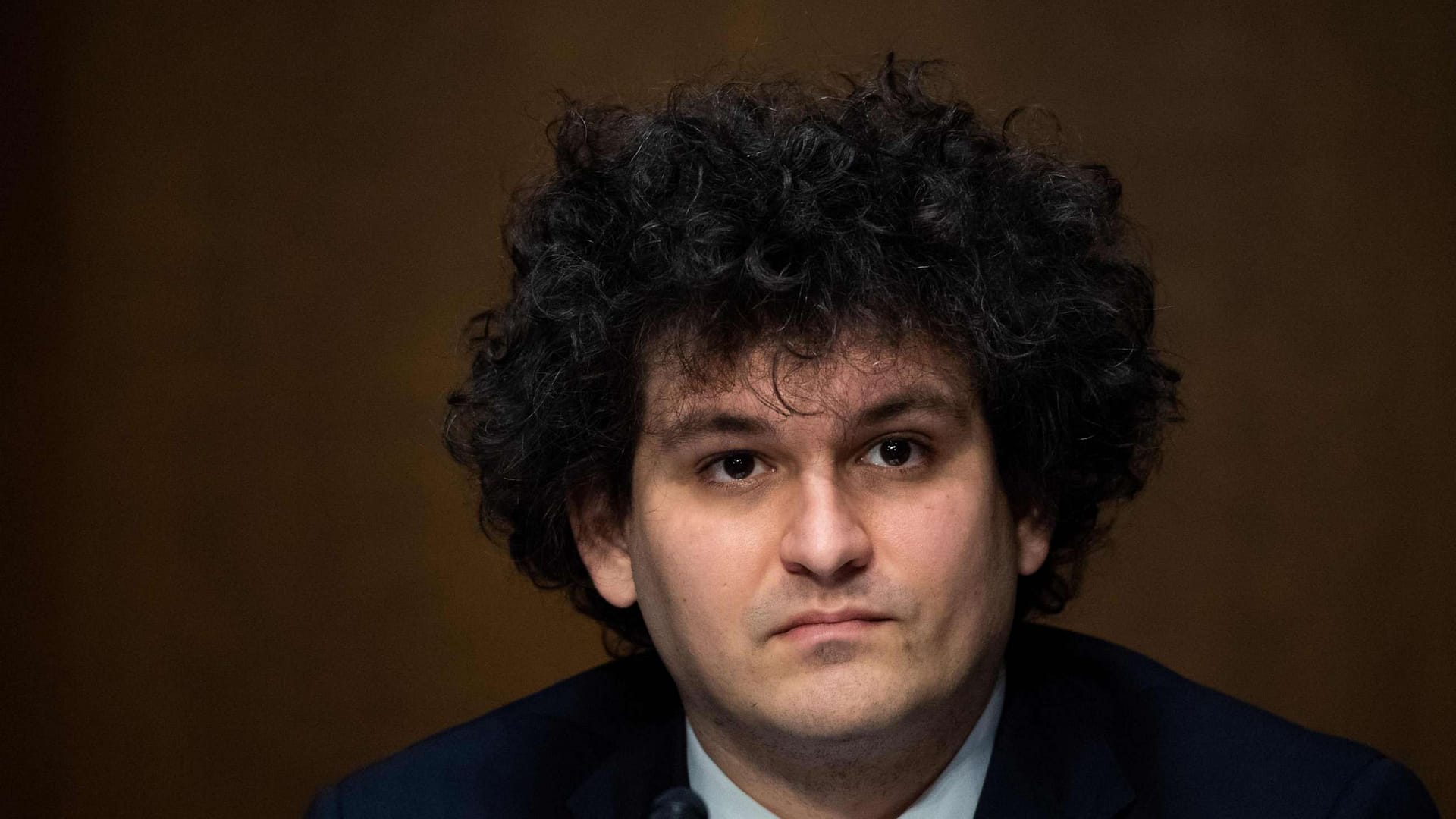
Sam Bankman-Fried has asserted that FTX was never insolvent, claiming the cryptocurrency exchange entered bankruptcy without his authorization and that external lawyers pushed the filing shortly after taking control of the company. The former FTX CEO made the statement while referencing court documents that, according to him, show internal disagreement over whether certain FTX entities needed bankruptcy protection.
The remarks revive debate around the circumstances of FTX’s collapse in November 2022, when dozens of affiliated companies filed for Chapter 11 in the United States, triggering one of the largest bankruptcies in crypto industry history.
Key Takeaways
- Sam Bankman-Fried says he never approved FTX’s bankruptcy filing.
- He argues that some FTX entities, including FTX.US, were solvent at the time.
- The bankruptcy was initiated after new legal management took control.
- Courts and regulators continue to treat the FTX case as a valid insolvency process.
Dispute Over Bankruptcy Authority
Bankman-Fried claims that shortly after restructuring advisors and lawyers assumed control of FTX, a bankruptcy filing was submitted without his consent. He has pointed to excerpts from court records that describe internal discussions about whether certain subsidiaries had sufficient assets to continue operating.
Those filings, however, were submitted as part of sworn testimony during the bankruptcy process itself, which has been overseen by a U.S. bankruptcy court since late 2022.
Official Bankruptcy Process Remains in Force
FTX and its affiliated companies formally entered Chapter 11 proceedings in Delaware, with court-appointed leadership stating at the time that the group faced severe liquidity shortfalls and governance failures. Bankruptcy filings described what new management called an unprecedented lack of reliable financial controls.
U.S. bankruptcy courts accepted the filings, and the process has since involved asset recovery, creditor claims, and negotiations with global regulators.
Regulators and Prosecutors’ Position
U.S. prosecutors and regulators have consistently treated FTX as bankrupt, citing missing customer funds and commingling of assets between related entities. The Department of Justice and other agencies relied on the bankruptcy findings as part of their broader case outlining alleged fraud and mismanagement at the exchange.
Legal experts have noted that once a bankruptcy petition is accepted by a court, disputes over internal authorization do not automatically invalidate the process.
Impact on Creditors and Customers
For creditors and former FTX customers, the distinction raised by Bankman-Fried is unlikely to change ongoing repayment efforts. The bankruptcy estate has already recovered billions of dollars in assets, with distributions expected under court supervision.
Restructuring lawyers have previously stated in court that separating solvent and insolvent entities after the fact would have been impractical given the intermingled finances across the FTX group.
What To Watch Next
- Further court rulings on creditor repayments and asset distributions.
- Any formal legal challenge to the validity of the original bankruptcy filing.
- How Bankman-Fried’s claims are addressed in ongoing legal proceedings.
This article is for informational purposes only and does not constitute financial advice.