
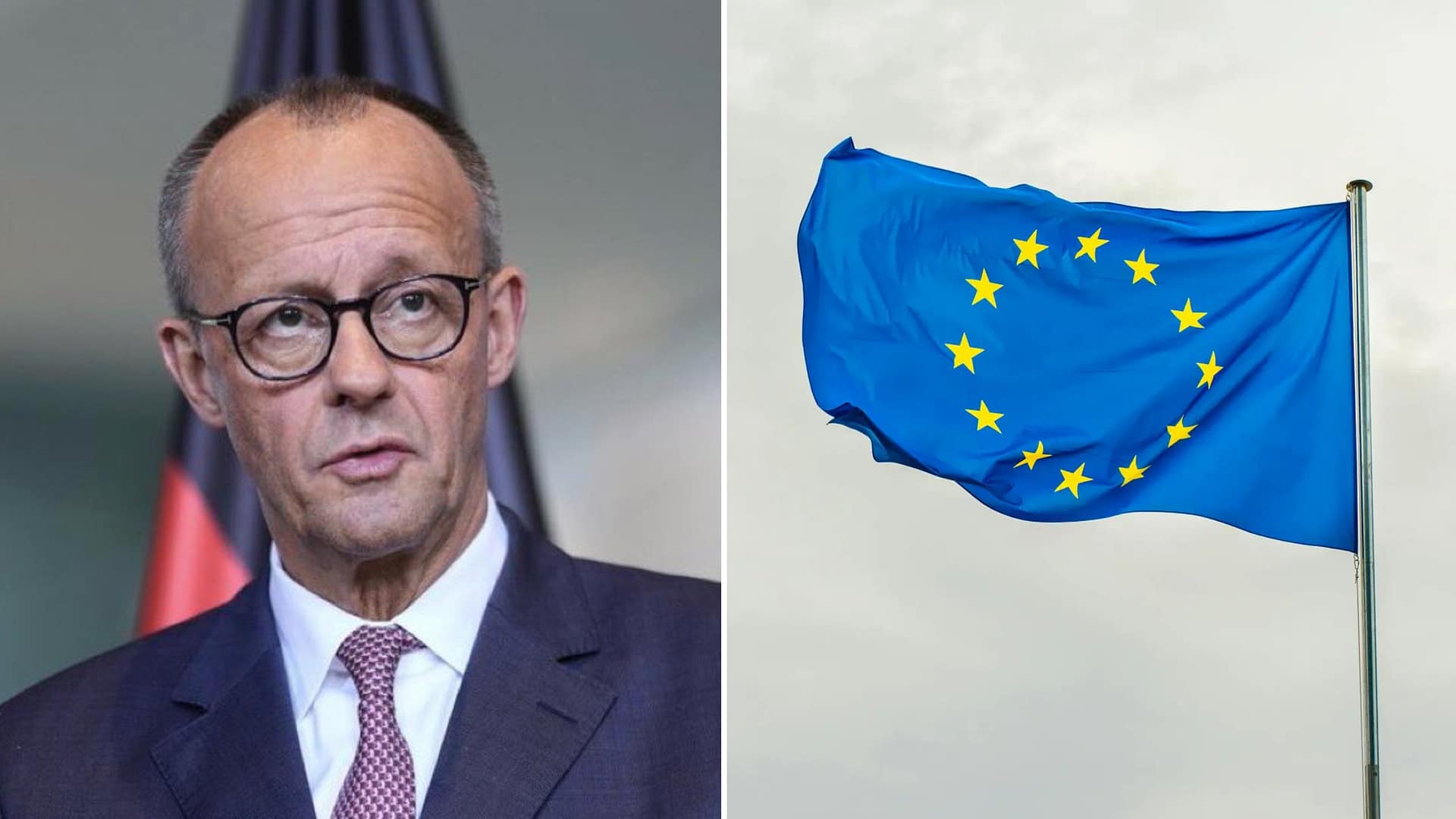
Germany is reportedly holding discussions with European Union allies about nuclear deterrence options, reflecting rising security concerns in Europe rather than any confirmed plan to independently develop nuclear weapons.
The talks come amid heightened geopolitical tensions and renewed debate over Europe’s long-term defense posture, particularly its reliance on U.S. security guarantees.
Key Takeaways
- Germany is in discussions with EU allies about nuclear deterrence.
- No confirmation exists of Germany pursuing its own nuclear weapons.
- The talks reflect broader European security concerns.
- Legal and treaty barriers remain significant.
What the Talks Are About
According to reports, German officials have engaged in conversations with European partners on how nuclear deterrence could be structured within Europe if global security conditions deteriorate further. Reuters has previously reported that such discussions often center on nuclear sharing arrangements, extended deterrence, or coordination with existing nuclear powers.
Germany is a signatory to the Nuclear Non-Proliferation Treaty (NPT), which prohibits it from developing its own nuclear arsenal.
Legal and Political Constraints
Any move toward independent nuclear weapons development would face major legal obstacles. The Wall Street Journal has noted that Germany’s postwar constitution, international treaties, and domestic political consensus strongly oppose nuclear armament.
As a result, analysts say current discussions are more likely focused on strategic cooperation rather than weapons development.
European Security Context
Europe has been reassessing its defense strategy amid ongoing conflicts and uncertainty over long-term U.S. commitments to NATO. Reuters has documented increasing calls among European leaders for greater strategic autonomy, particularly in defense and energy security.
France remains the EU’s only nuclear-armed state, and its role in any future European deterrence framework is central to these discussions.
Public and Diplomatic Sensitivities
The topic of nuclear weapons remains highly sensitive in Germany, where public opposition has historically been strong. The Wall Street Journal has reported that even limited nuclear-sharing debates often trigger domestic backlash.
German officials have so far avoided public confirmation of any concrete proposals, emphasizing alliance coordination instead.
What To Watch Next
- Clarification from German or EU officials on the scope of discussions.
- France’s role in potential EU deterrence arrangements.
- Reactions from NATO and the United States.
- Domestic political response within Germany.
This article is for informational purposes only and does not constitute financial advice.