
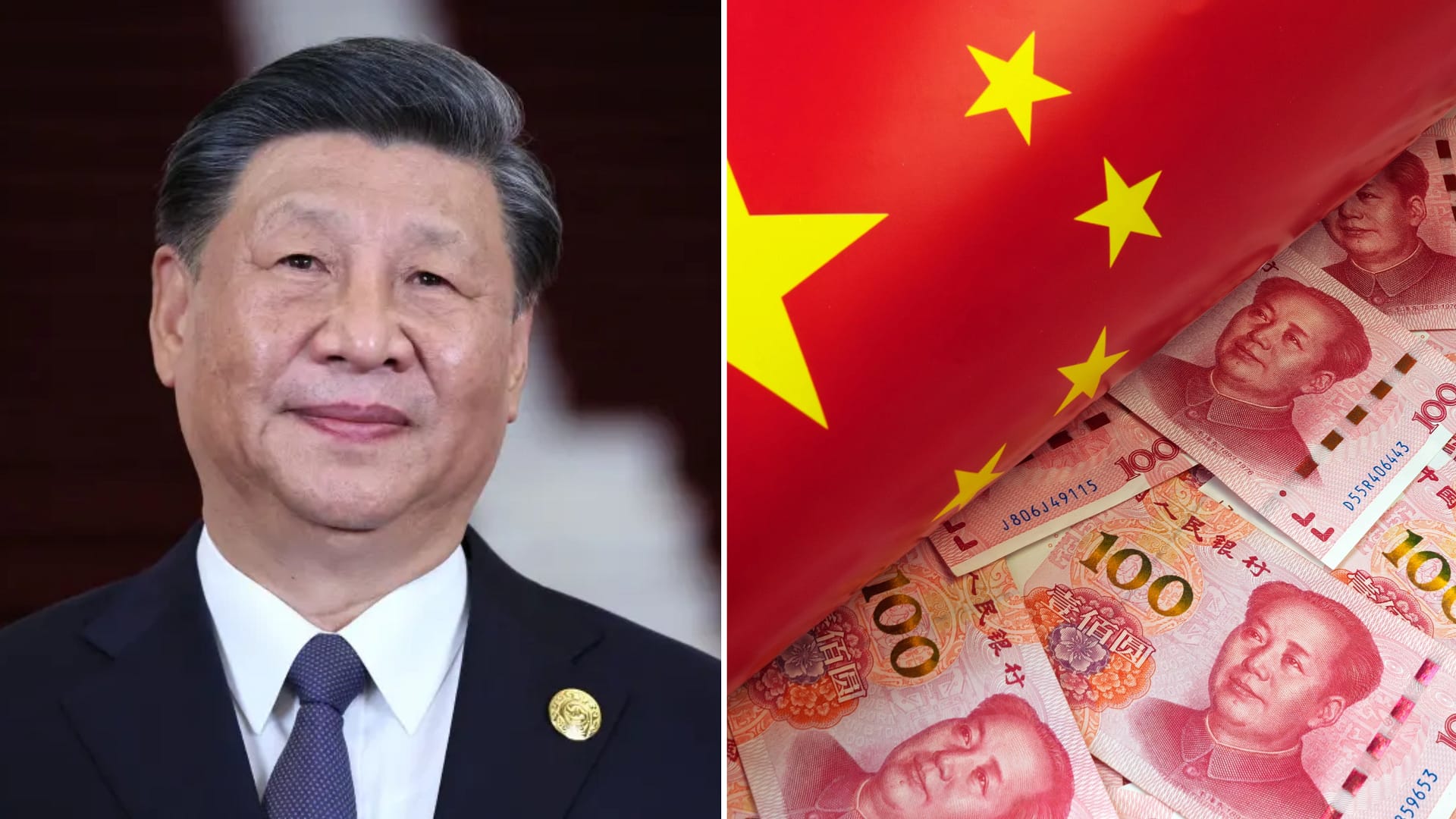
Chinese President Xi Jinping has called for a stronger global role for the yuan, signaling Beijing’s ambition to reduce reliance on the U.S. dollar and reshape the international monetary system amid shifting geopolitical and economic dynamics.
The remarks come as China expands cross-border yuan usage in trade, finance, and central bank cooperation, while positioning its currency as an alternative in global reserves.
Key Takeaways
- Xi Jinping urged broader international use of the Chinese yuan.
- China aims to reduce dependence on the U.S. dollar-based system.
- Yuan usage has increased in trade and bilateral settlements.
- Structural barriers continue to limit reserve adoption.
Xi’s Call for Monetary Shift
Speaking at a high-level policy forum, Xi emphasized the need to promote the yuan’s role in global trade, investment, and reserves. According to Reuters, Chinese officials have increasingly framed currency diversification as a response to geopolitical risk and financial fragmentation.
State media coverage cited by Reuters highlighted Beijing’s view that a more multipolar currency system would enhance global financial stability.
Growing Use of the Yuan
China has steadily expanded yuan-denominated trade settlement, particularly with energy exporters and emerging markets. The Wall Street Journal has reported that bilateral agreements and swap lines with foreign central banks have supported incremental growth in offshore yuan usage.
Data tracked by international institutions show the yuan’s share of global payments has risen in recent years, though it remains far behind the U.S. dollar and the euro.
Limits to Reserve Currency Status
Economists cited by Reuters note that capital controls, limited market transparency, and restrictions on capital flows continue to constrain the yuan’s appeal as a reserve currency.
The Wall Street Journal has previously reported that many central banks remain cautious about holding significant yuan reserves due to concerns over liquidity and policy predictability.
Geopolitical and Market Implications
Xi’s comments align with broader efforts by China and its partners to explore alternatives to dollar-dominated systems, including within BRICS frameworks. Analysts told Reuters that while rhetoric has intensified, meaningful reserve shifts tend to occur slowly.
Markets are closely watching whether policy reforms accompany Beijing’s ambitions, as structural changes would be required to elevate the yuan’s global standing.
What To Watch Next
- Further policy steps to liberalize China’s financial markets.
- Changes in global reserve allocation data.
- Expansion of yuan-based trade and settlement agreements.
- Responses from major central banks and financial institutions.
This article is for informational purposes only and does not constitute financial advice.