
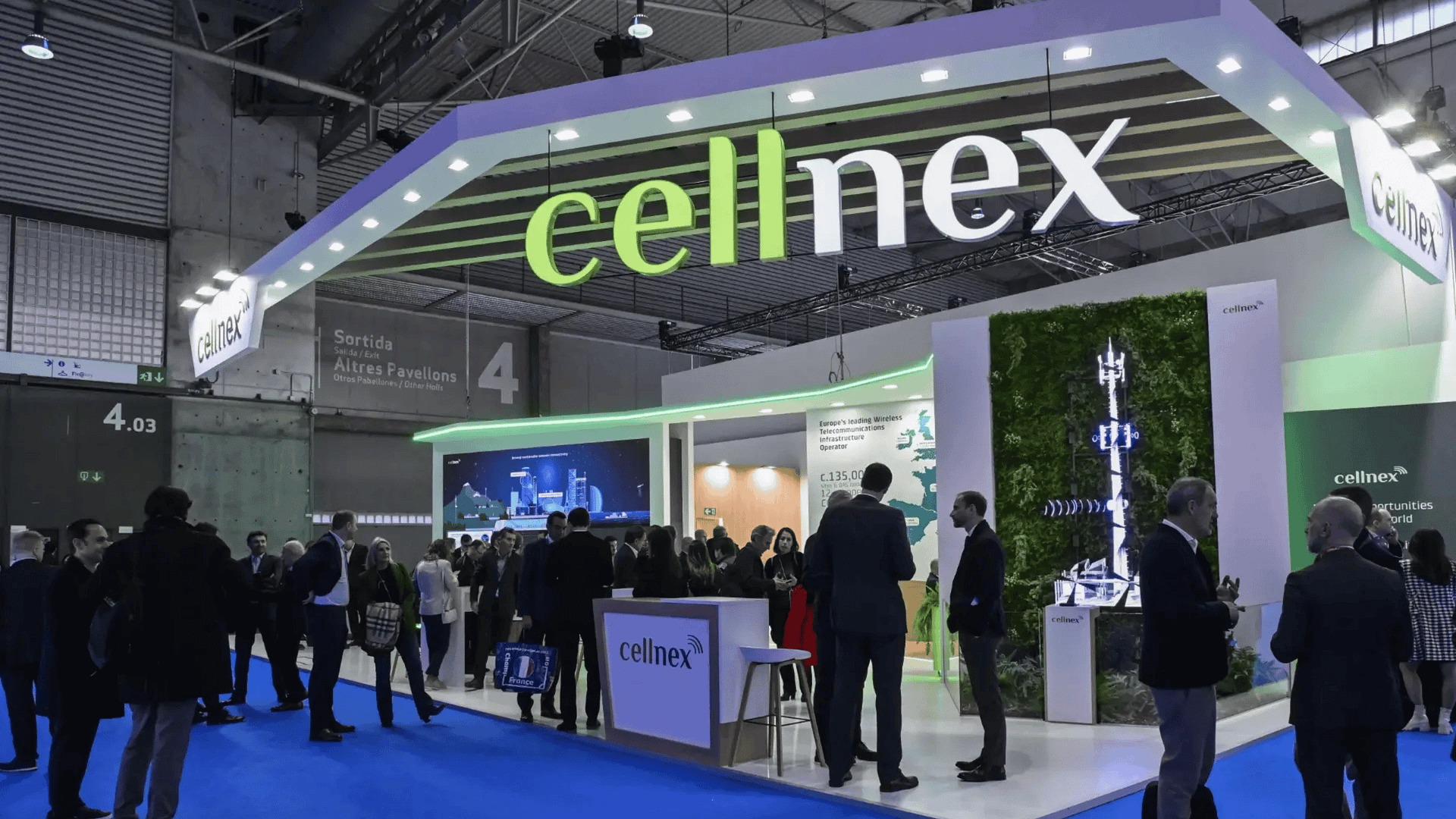
Cellnex has completed the sale of Towerlink France for €391 million in cash, finalizing a divestment that moves the company further along its balance-sheet and portfolio streamlining plan.
While the transaction is not a crypto-native catalyst, it sits inside a macro setup crypto traders increasingly monitor: Europe’s infrastructure realignment amid higher-for-longer rate uncertainty, tighter credit discipline, and the growing intersection between “real assets” narratives and tokenized finance.
Key Takeaways
- The sale’s completion provides a clean, cash-settled datapoint on how listed infrastructure firms are prioritizing deleveraging and focus over asset sprawl.
- Infrastructure M&A in the current rate regime often transmits to crypto through broader risk appetite, credit spreads, and the cost of leverage rather than through any direct blockchain linkage.
- When large, defensive sectors rotate assets, it can be a signal that boards are optimizing for duration risk and refinancing conditions—inputs that can shape cross-asset positioning.
- Data center and digital infrastructure assets are increasingly discussed alongside tokenization and “real-world asset” narratives, but execution hinges on regulation, custody, and cashflow verification.
- For crypto market microstructure, the most relevant second-order effects are changes in liquidity conditions and correlation regimes if European credit and rates volatility re-accelerate.
What happened and what comes next
Cellnex confirmed it has completed the disposal of Towerlink France, the entity tied to its main data center operations in France, to Vauban Infra Fibre. In its October announcement of the put option agreement, Cellnex framed the contemplated €391 million transaction as part of a strategic focus on core telecom infrastructure assets, with the sale ultimately settling fully in cash once closing conditions and approvals were met.
Trade coverage put the completion in a straightforward operational context. DataCenterDynamics reported that Towerlink France was sold to a Vauban Infra Fibre vehicle (described as a subsidiary structure used for the acquisition), marking Cellnex’s exit from that French data center perimeter. Telecoms.com also reported the completion, noting the transfer of 99.99% of Towerlink France’s share capital and the all-cash settlement.
What comes next, from a markets perspective, is less about the single deal and more about what it implies for capital allocation in a higher-rate environment. Infrastructure operators have historically been sensitive to the cost of debt and the availability of long-dated financing. When an operator rotates out of non-core assets, the market often reads it as a signal about funding discipline, asset-liability management, and management’s confidence in refinancing conditions.
For crypto, the key is not whether a tower and data center business changes hands. The key is whether these decisions reflect a broader tightening of “duration tolerance” across Europe—something that can spill into risk sentiment, correlation, and liquidity in digital asset markets.
Why crypto traders care: the transmission channels
Crypto is now a 24/7 market that often prices macro and cross-asset information faster than traditional desks can react, especially around Europe-U.S. handoffs. When corporate actions in defensive sectors cluster—asset sales, buybacks, debt reduction, capex reprioritization—they can influence the market’s read on where the marginal buyer sits.