
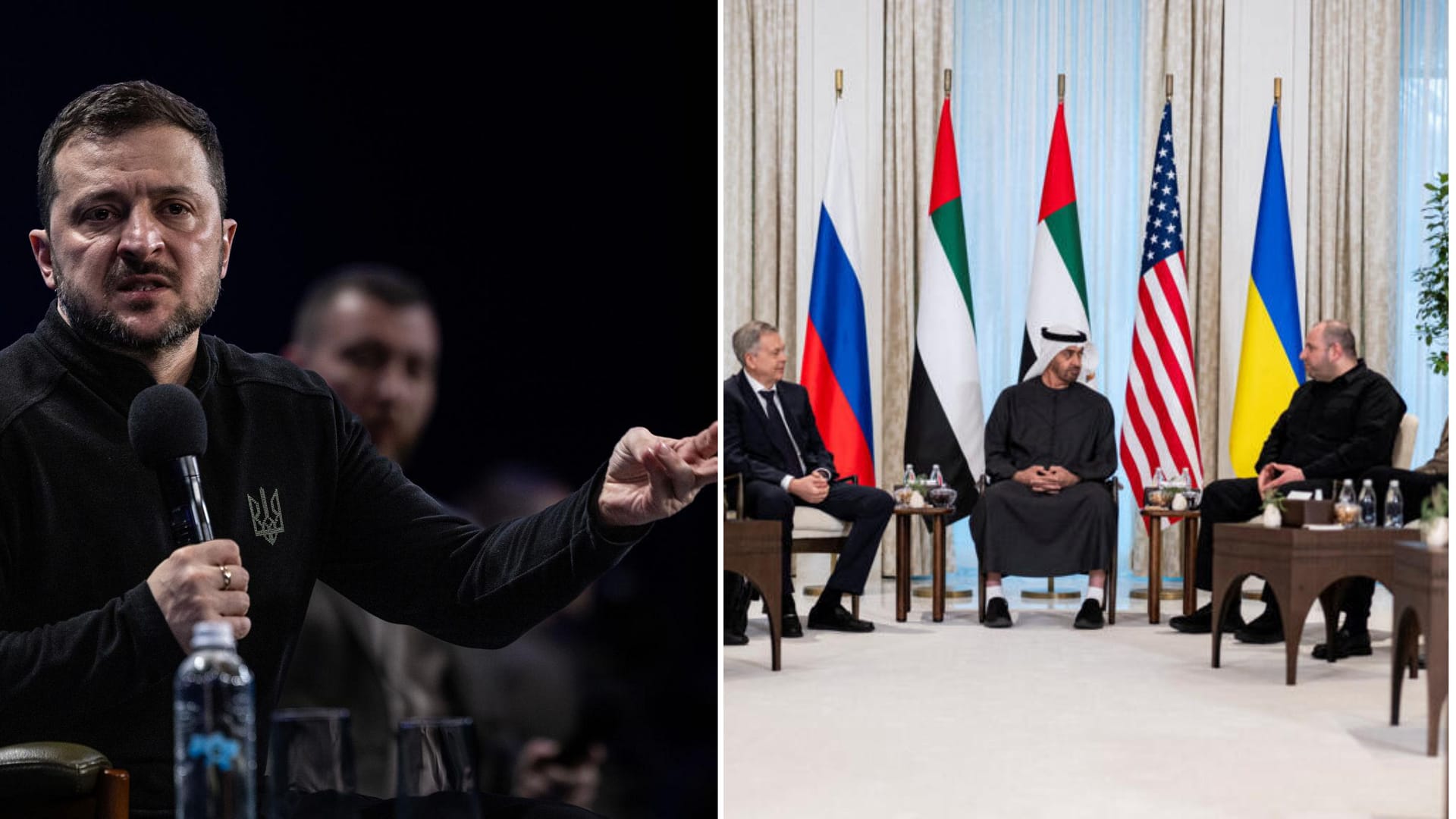
A planned meeting between Ukraine and Russia in Abu Dhabi may be rescheduled, as escalating developments involving the United States and Iran introduce new uncertainty into the diplomatic calendar. The comments highlight how broader geopolitical risks are increasingly shaping the timing and feasibility of high-level talks.
The potential delay comes amid heightened international attention on the Middle East, where reports point to a rapidly evolving security situation.
Key Takeaways
- The Ukraine–Russia meeting in Abu Dhabi may be postponed.
- President Volodymyr Zelensky cited U.S.–Iran developments as a factor.
- U.S. media reports suggest a possible strike on Iran within 48 hours.
- Rising geopolitical tensions could affect diplomatic efforts.
Talks Face Possible Rescheduling
Speaking about the planned meeting, Ukrainian President said that the timing could change depending on how events unfold involving the United States and Iran. The talks were expected to take place in Abu Dhabi, which has previously served as a neutral venue for sensitive diplomatic engagements.
Zelensky’s remarks suggest that external geopolitical shocks could divert attention and resources away from negotiations between Kyiv and Moscow.
Reports Point to Heightened U.S.–Iran Tensions
According to reporting by and, U.S. officials are preparing for the possibility of a military strike on Iran within the next 48 hours. While no official confirmation has been issued, the reports have intensified global market and diplomatic scrutiny.
Such a development would represent a major escalation in Middle East tensions, with potential ripple effects across global security and economic landscapes.
Geopolitical Risks Complicate Diplomacy
Analysts note that simultaneous crises can strain diplomatic bandwidth, making it more difficult to sustain momentum in complex negotiations like those between Ukraine and Russia. Heightened military risks in one region often prompt governments to reassess priorities and security postures elsewhere.
As a result, even indirect developments—such as U.S.–Iran tensions—can influence the scheduling and substance of unrelated diplomatic efforts.
Market and Global Implications
The possibility of a strike on Iran has already fueled concerns about energy markets, regional stability, and investor risk appetite. Any escalation could add volatility to global markets, further complicating the backdrop against which diplomatic talks are held.
Observers warn that uncertainty on multiple geopolitical fronts tends to reinforce caution among policymakers and investors alike.
What To Watch Next
- Official confirmation or denial of changes to the Abu Dhabi meeting schedule.
- Developments in U.S.–Iran relations over the coming days.
- Broader market and diplomatic reactions to any escalation.
This article is for informational purposes only and does not constitute financial advice.