
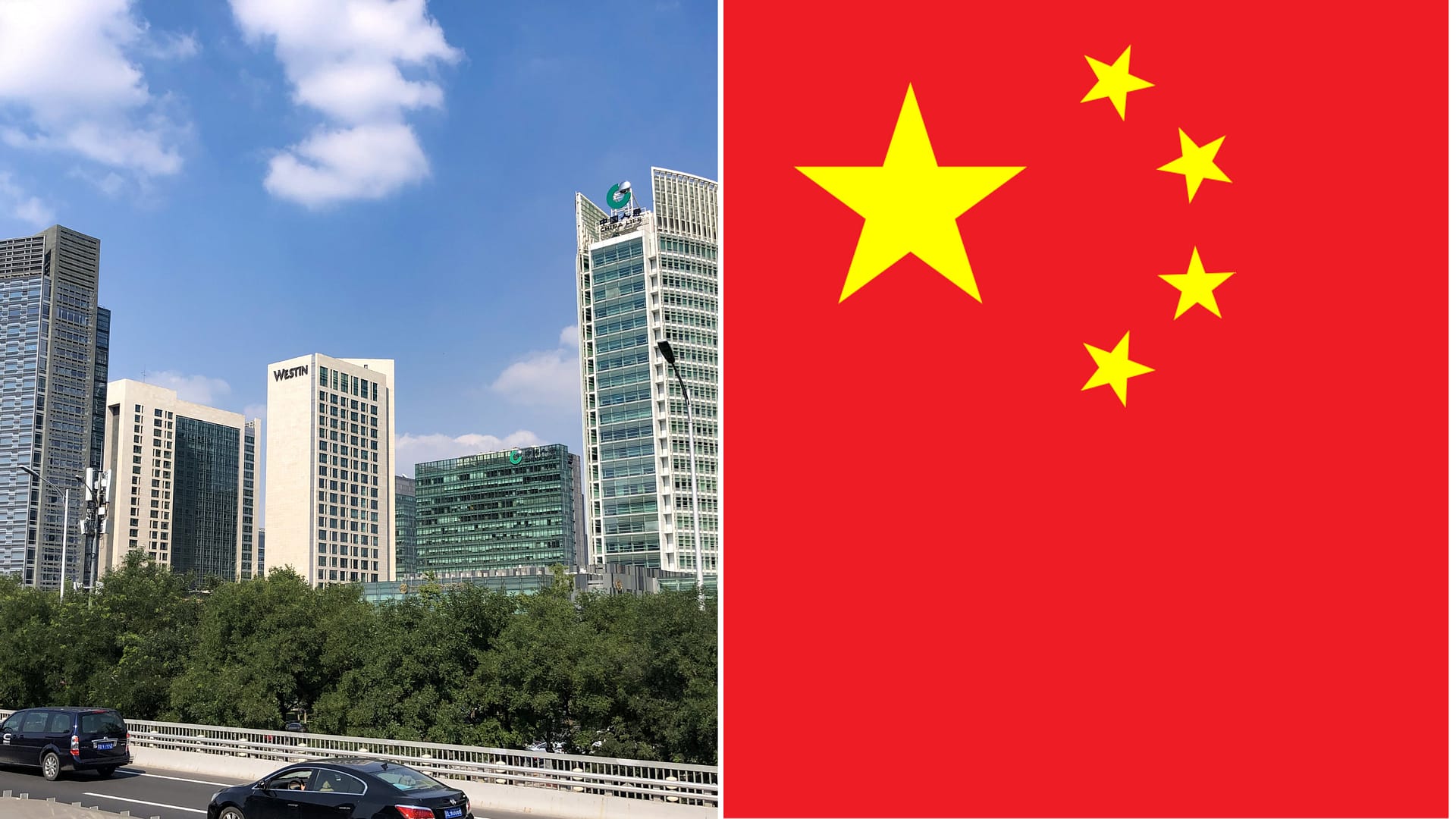
China is preparing to inject approximately $29 billion into its largest insurance companies as part of a broader effort to stabilize the sector and reinforce confidence in the country’s financial system. The move signals heightened government involvement as insurers face mounting pressure from slowing economic growth and market volatility.
The planned support highlights concerns among policymakers about the systemic importance of insurers, which play a critical role in long-term savings, investment flows, and risk management across the Chinese economy.
Key Takeaways
- China plans to inject around $29 billion into its largest insurers.
- The move aims to strengthen balance sheets and stabilize the sector.
- Government support reflects broader concerns about financial resilience.
- Markets are closely watching how capital injections affect confidence.
Government Steps In to Support Insurers
According to reporting by, Chinese authorities are preparing the capital infusion to help shore up insurers’ solvency and support their ability to meet long-term obligations. The funding is expected to be directed toward the country’s largest state-linked insurance groups.
Officials have increasingly relied on targeted financial support measures as parts of the financial sector come under strain from weak asset performance and subdued domestic demand.
Why the Insurance Sector Matters
Large insurers in China are deeply intertwined with capital markets, holding significant stakes in equities, bonds, and property-related assets. When their balance sheets weaken, the impact can extend beyond the insurance industry into broader financial stability.
Analysts cited by international media have noted that recapitalization can help insurers maintain regulatory capital ratios while continuing to provide coverage and investment products to households and businesses.
Market and Investor Implications
The planned injection may ease near-term concerns among investors about counterparty risk and solvency within the insurance sector. However, it also underscores the ongoing challenges facing China’s financial system amid slowing growth and persistent stress in certain asset classes.
Market participants are expected to assess whether the support is sufficient to restore confidence or if further policy measures will be required.
Broader Policy Context
The insurer support plan fits into a wider pattern of state intervention aimed at stabilizing key pillars of the economy. Chinese authorities have previously taken steps to back banks, property developers, and local governments to prevent spillover risks.
Such measures reflect a balancing act between containing financial risks and limiting moral hazard over the long term.
What To Watch Next
- Details on which insurers will receive capital and under what terms.
- Regulatory responses and solvency data from China’s insurance watchdog.
- Investor reaction across Chinese financial stocks and bond markets.
This article is for informational purposes only and does not constitute financial advice.