
The Future of Banking: Barclays and the Rise of Blockchain Payments
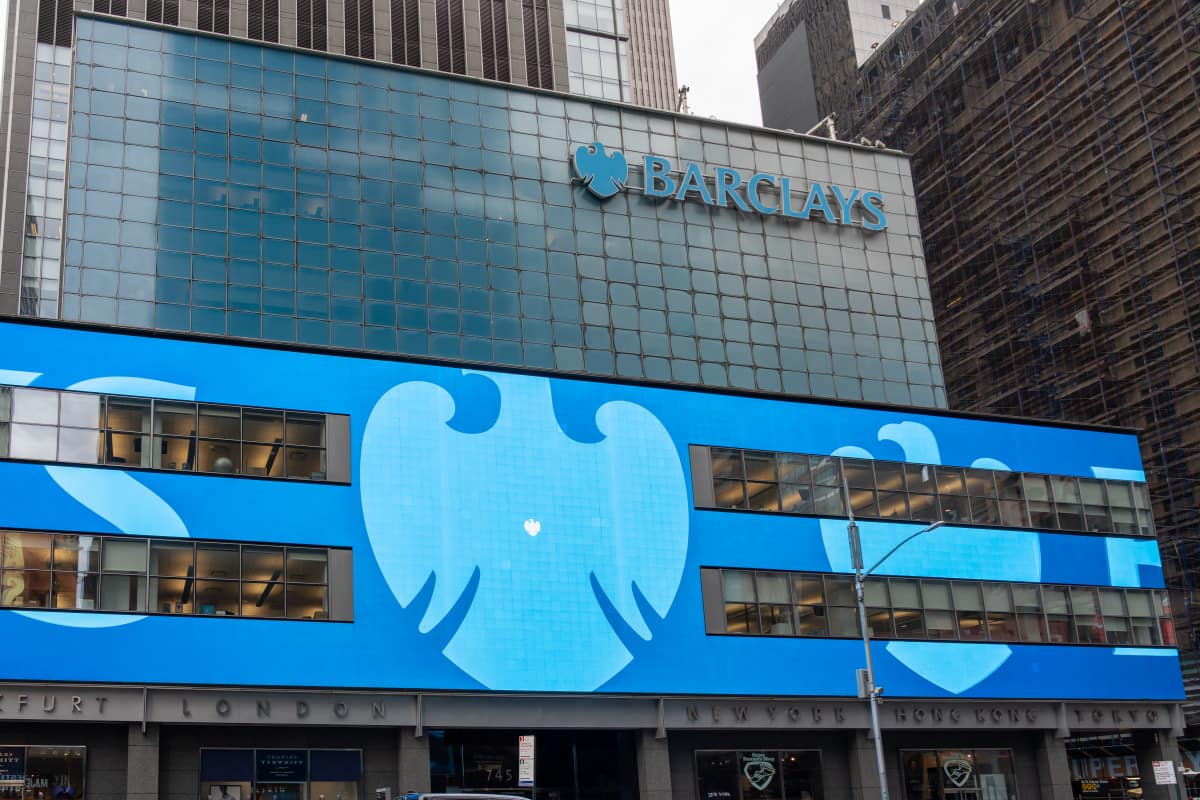
The world of high finance is undergoing a transformation, with digital innovation becoming the new norm. One of the most notable players in this shift is Barclays, a British bank with over 300 years of history. Recently, it has shown renewed interest in blockchain technology, signaling a significant step toward modernizing its financial infrastructure.
For many years, the conversation around blockchain has centered on volatile cryptocurrencies and speculative trading. However, the focus is now shifting to the foundational systems that support global financial transactions. Major banks are beginning to recognize that traditional methods of moving money are no longer sufficient for a 24/7 market. This realization marks a pivotal moment in the evolution of banking, especially for institutions like Barclays, which have historically been cautious about the more experimental aspects of the crypto space.
A Complicated History with Digital Assets
Barclays’ relationship with digital assets has been anything but straightforward. In 2016, the bank joined the R3 consortium, an initiative focused on exploring blockchain-based settlement systems for financial institutions. That same year, it became one of the first major banks to offer banking services to cryptocurrency firms, including Coinbase. However, this partnership ended in 2019, causing disruptions for Coinbase’s access to the UK Faster Payments Scheme. This move reflected a growing caution from Barclays regarding the risks associated with crypto clients.
In January 2026, Barclays took another step into the digital space by acquiring a stake in Ubyx, a stablecoin-settlement company. This marked its first investment in a firm related to stablecoins. At the time, the bank stated that the move aligned with its strategy to explore “new forms of digital money.” Despite this, Barclays analysts had previously warned that widespread adoption of stablecoins could pose challenges to traditional banking models.
Exploring a Blockchain Payments Platform
According to a report by Bloomberg, Barclays has begun reaching out to technology providers to evaluate how to build new blockchain-powered offerings. The bank could select technology partners as early as April, according to sources familiar with the matter. If implemented, this system could enable near-instant settlement of transactions and streamline cross-border transfers using distributed ledger technology.
This development comes at a challenging time for Barclays, as its stock has faced pressure recently. As of the latest update, Barclays’ shares were down 4% to approximately $24, reflecting broader volatility in the banking sector.
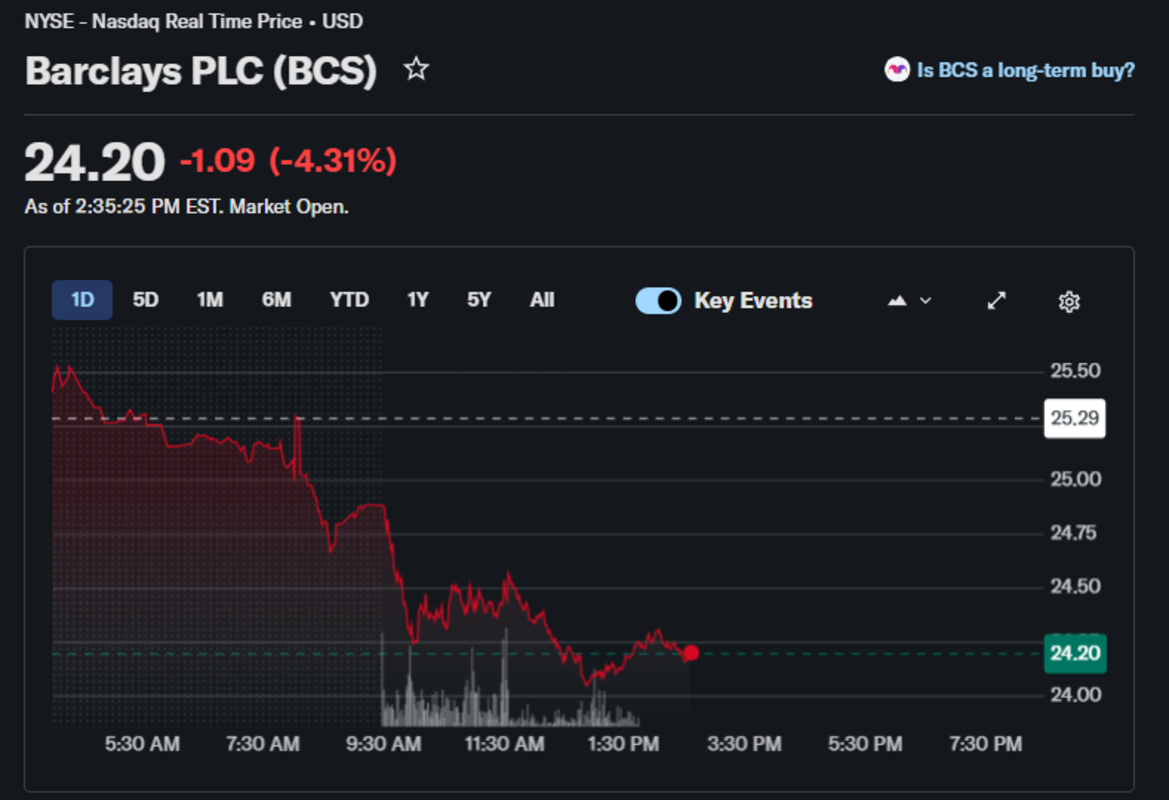
With a market capitalization of around $83 billion, Barclays remains one of Europe’s largest lenders. Its recent steps into blockchain payments highlight a broader trend among global banks to integrate blockchain infrastructure into their core financial services.
Big Banks Are Racing Toward Tokenized Finance
Barclays’ exploration of blockchain payments mirrors a larger movement within the banking industry. JPMorgan Chase & Co., for example, has launched JPM Coin, a deposit token designed to facilitate on-chain transfers for institutional clients. The bank describes the product as “bringing institutional deposits on chain” to enable real-time, peer-to-peer transfers.
Similarly, HSBC has expanded its tokenized deposit offering to multiple jurisdictions. In November 2025, HSBC’s global head of payments solutions told Bloomberg:
“The topic of tokenisation, stablecoins, digital money and digital currencies has obviously gathered so much momentum. We are making big bets in this space.”
In early 2026, Bank of New York Mellon launched a pilot program allowing institutional clients to move funds using tokenized deposits on a private blockchain. BNY described the initiative as aimed at supporting “programmable, near-real-time cash movement.”
Across the industry, banks are positioning tokenized deposits as a regulated alternative to stablecoins, offering 24/7 settlement while keeping funds within traditional banking frameworks.
In this context, Barclays’ reported blockchain payments initiative appears less like an isolated experiment and more like part of a structural shift in the financial industry. As more banks embrace these technologies, the future of finance is likely to be shaped by the power of blockchain.