
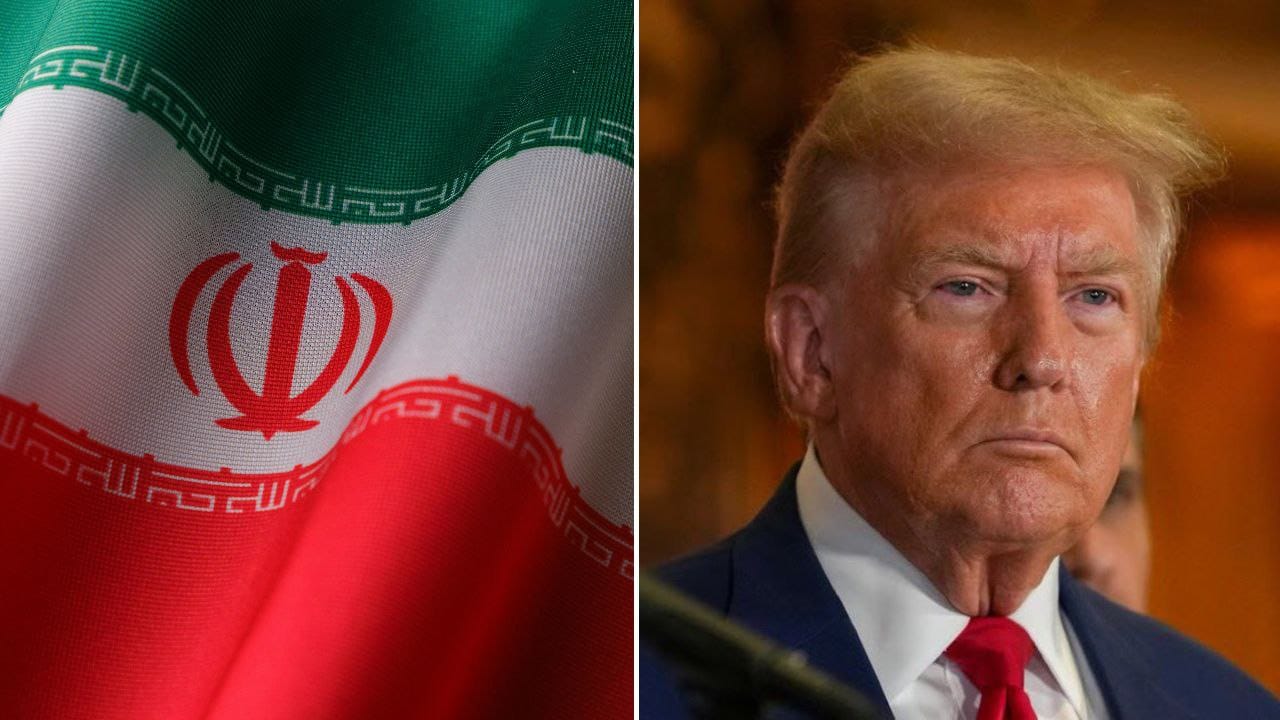
March 3, 2026 (U.S. Eastern) — President Donald Trump has indicated the U.S. military campaign against Iran could last “four or five weeks,” while repeating objectives that include eliminating Iran’s missile capabilities, dismantling its missile industry, destroying Iranian naval forces, and ensuring Iran can never acquire a nuclear weapon. The remarks arrive as investors shift into a more defensive stance amid heightened geopolitical uncertainty and the risk of escalation across the region.
With markets now trying to price a multi-week conflict (instead of a one-night strike), attention has turned to the usual shock channels: oil supply risk, safe-haven demand for gold, risk-off pressure on equities, and 24/7 volatility in crypto.
Key Takeaways
- Trump suggested the campaign could last 4–5 weeks, consistent with Pentagon messaging that the operation could run up to roughly five weeks.
- Markets are in a risk-off posture: higher volatility, defensive positioning, and heavy focus on energy headlines.
- Oil is the main transmission mechanism into inflation expectations and equity stress, especially if shipping routes become threatened.
- Bitcoin remains headline-sensitive but can rebound quickly as liquidity returns and panic selling fades.
What Trump and the Pentagon Are Signaling
According to ABC News live reporting, Trump said strikes in Iran could last “four or five more weeks.” In parallel, the Associated Press reported that Defense Secretary Pete Hegseth and senior military leadership emphasized the conflict is “not endless,” while warning more casualties are possible and referencing an expected duration of up to about five weeks.
From a market perspective, this matters because timelines shape expectations: a multi-week campaign increases the probability of second-order effects (retaliation cycles, infrastructure incidents, regional spillover, shipping/insurance costs), which traders tend to price as a “risk premium” across assets.
Where Markets Are Right Now
Bitcoin (BTC) was recently around $69,522, up about 5.05% on the session, after volatile swings around the Iran headlines.
U.S. equities were pressured: SPY (S&P 500 ETF proxy) was recently around $685.99 and QQQ (Nasdaq 100 proxy) around $607.29 in the latest available quotes in the feed, reflecting risk-off sentiment.
Oil sensitivity remains high. USO (an ETF proxy for crude exposure) traded around $81.95 in the most recent snapshot, underscoring how energy is being watched as the key macro channel.
Outlook: Oil (Base Case vs Escalation vs De-escalation)
Base Case (Contained Conflict, No Major Shipping Disruption)
If operations remain primarily air/cyber and retaliation stays limited, oil may keep a moderate geopolitical premium but avoid a sustained vertical spike. In this scenario, crude-related products often rise early, then trade choppily as markets digest real damage assessments and diplomacy signals.
Escalation Case (Shipping/Strait Risk, Broader Regional Strikes)
This is the scenario markets fear most. Analysts have warned that without de-escalation, oil could jump by $10–$20 or more as risk premiums surge. If shipping risk increases (even temporarily), energy volatility can spill over into inflation expectations and push stocks lower.
De-escalation Case (Ceasefire Signals, Negotiation Track Restored)
If credible de-escalation emerges, the risk premium can unwind quickly. Oil often retraces faster than equities recover because the oil shock is the “first-order” pricing mechanism; once that fades, broader assets usually stabilize next.
Outlook: Gold (Safe Haven Demand)
Gold typically benefits when markets move risk-off, especially when conflict headlines raise uncertainty and investors look for perceived hedges. Recent market coverage has highlighted gold alongside oil and the dollar as focal points during the Iran escalation.
Prediction framework (not a guarantee): if escalation persists and oil rises, gold tends to stay supported as investors hedge uncertainty. If headlines cool and oil stabilizes, gold can still remain firm, but momentum often slows as risk appetite partially returns.
Outlook: Bitcoin (BTC) — Volatile, But Not One-Directional
Crypto trades 24/7, which makes BTC a common vehicle for fast de-risking during sudden headlines — but it can also rebound quickly once panic selling fades and liquidity returns. The Wall Street Journal noted BTC dropped after the strikes but rebounded back toward levels seen before the weekend headlines.
Near-term scenarios:
- Risk-off intensifies: BTC can see sharp drawdowns (especially if equities gap down and funding tightens), then violent rebounds.
- Oil spikes hard: markets may price higher inflation risk; if rate expectations rise, speculative assets can face renewed pressure.
- De-escalation: BTC often stabilizes quickly and may track broader “risk-on” recovery if equities rebound.
As of the latest snapshot here, BTC is at $69,522, highlighting how quickly sentiment can flip in geopolitics-driven flows.
Outlook: Stocks (S&P 500 / Nasdaq)
Equities usually struggle in early phases of a geopolitical shock because traders price uncertainty first and ask questions later. Investopedia described a shaky market setup after the weekend strikes, with oil and volatility in focus.
What matters most for stocks over the next 1–4 weeks:
- Oil trajectory: sustained higher oil acts like a tax on consumers and businesses, pressuring margins and sentiment.
- Duration and escalation: multi-week campaigns increase the chance of “surprise events” (retaliation cycles, infrastructure incidents).
- Rates/inflation expectations: if oil surges, markets can reprice inflation and rates, hitting growth stocks harder (Nasdaq sensitivity).
In the latest available quotes here, SPY and QQQ are both lower on the session, consistent with a defensive posture.
Practical “Watch List” for the Next 72 Hours
- Energy headlines: shipping advisories, insurance rate spikes, or any sign of supply/route disruption.
- Pentagon briefings: confirmation of timeline and whether objectives expand or narrow.
- Oil follow-through: whether crude holds gains or mean-reverts after initial shock.
- Equity stress signals: volatility spikes, credit spreads widening, and heavy selling in travel/transport.
Bottom Line
Trump’s “4–5 week” framing pushes markets to price duration risk, not just a single event. In the short run, oil remains the main driver that can transmit the shock into inflation expectations, equities, and risk appetite. Gold is likely to stay supported under sustained uncertainty, while Bitcoin can remain extremely volatile but capable of fast rebounds when panic fades.
This article is for informational purposes only and does not constitute financial advice.