
The Rise and Controversy of Crypto Kiosks
The promise of digital money was always about cutting out the middleman. You could be your own bank and send funds anywhere in the world without asking for permission. That financial freedom sparked a massive boom in the physical machines that bridge the gap between hard cash and the blockchain. Now, they are increasingly at the center of a political backlash.
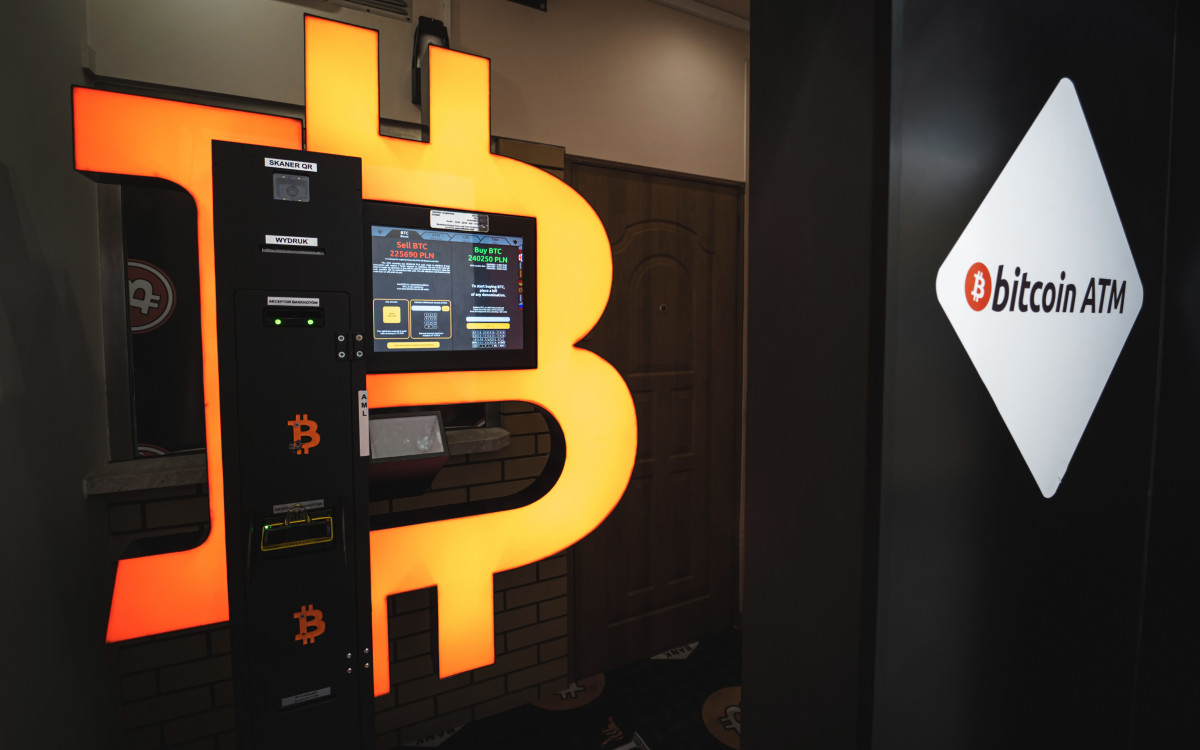
U.S. lawmakers are moving to restrict, and in some cases ban, crypto kiosks after a surge in fraud cases, particularly those targeting elderly Americans. These machines look just like traditional cash dispensers. They sit quietly in convenience stores and gas stations across the country. But that same frictionless technology has caught the attention of sophisticated criminal networks.
Minnesota’s Push for a Ban
On Feb. 23, Minnesota Rep. Erin Koegel introduced House File 3642, a bill that would prohibit anyone from “placing or operating a virtual currency kiosk” anywhere in the state. The measure would repeal the regulatory framework enacted in 2024 and replace it with a full ban.
The Minnesota Department of Commerce said it “strongly supports HF 3642.” Lawmakers cited testimony from law enforcement officials who described kiosks as a “prime target” for scammers. Police officers provided emotional testimony about the human cost of the scams. Woodbury Police Det. Lynn Lawrence detailed how one older resident lost half her monthly income to fraud.
“She was already vulnerable with fixed income and food and housing insecurity,” Lawrence said. “APS, adult protection services, had to become involved due to her dire circumstances. She was afraid she was going to have to live out of her car because she had no money left.”
According to the Department of Commerce, Minnesota received 70 crypto kiosk-related complaints last year totaling about $540,000 in reported losses. The state currently has roughly 350 licensed kiosks operated by eight to 10 companies. The proposed ban would dismantle safeguards adopted in 2024, which included a $2,000 daily transaction limit for new customers, mandatory fraud warnings and a 14-day refund window for scam victims. Regulators now argue those protections have proven insufficient.
“Previous efforts to increase consumer protections for crypto kiosks have failed,” Sam Smith, government relations director at the Minnesota Department of Commerce, told lawmakers. Koegel said residents would still be able to transact cryptocurrency online if the bill passes.
National Concerns and Legal Pressure
Minnesota’s push comes amid rising national concern. On Jan. 3, The FBI’s Internet Crime Complaint Center reported more than 12,000 complaints involving Bitcoin ATMs between January and November 2025, totaling over $333.5 million in losses. Older adults have been disproportionately affected, with victims over 60 accounting for the majority of reported losses in recent years.
In many cases, scammers impersonate government agencies or financial institutions and instruct victims to deposit cash into crypto kiosks to “protect” their funds. Because crypto transactions are irreversible, recovery is rare.
The legal pressure is also mounting. On Feb. 3, Massachusetts Attorney General Andrea Joy Campbell alleged that crypto ATM operator Bitcoin Depot “knowingly facilitated crypto scams.” The lawsuit alleges that over half of the money passing through the company’s Massachusetts kiosks between Aug. 2023 and Jan. 2025 was tied to scams.
“We’re alleging that instead of handling consumers’ money in good faith, Bitcoin Depot used misleading sales tactics to overcharge its customers and knowingly facilitated crypto scams that robbed Massachusetts consumers of more than $10 million dollars,” Campbell said in a press release.
A Booming Market Meets a Crackdown
The regulatory push contrasts sharply with the industry’s rapid growth. The global crypto ATM market was valued at $356.7 million in 2025 and is projected to grow sharply over the next decade, according to Fortune Business Insights. North America accounted for nearly 89% of global installations, with the United States hosting more than 30,000 machines, roughly 88% of the global total, according to Coin ATM Radar data cited in the report.
Crypto kiosks are commonly placed in gas stations, convenience stores and retail chains, offering users a way to convert cash into digital assets without using online exchanges. But as installations expand, so has scrutiny. Several states have tightened transaction limits, capped fees or required enhanced identity verification. Others, like Minnesota, are now debating whether regulation is enough, or whether bans are necessary.
If HF 3642 passes, Minnesota could become one of the first U.S. states to eliminate physical crypto kiosks altogether.