
The Crypto Market Volatility and the Question of Government Intervention
When the crypto market experiences volatility, the real question isn’t how low prices can go—it’s who is driving the moves. For years, the debate has been whether digital assets are truly independent or if they’ll eventually look to Washington for a safety net when things get ugly. That conversation just hit a boiling point.
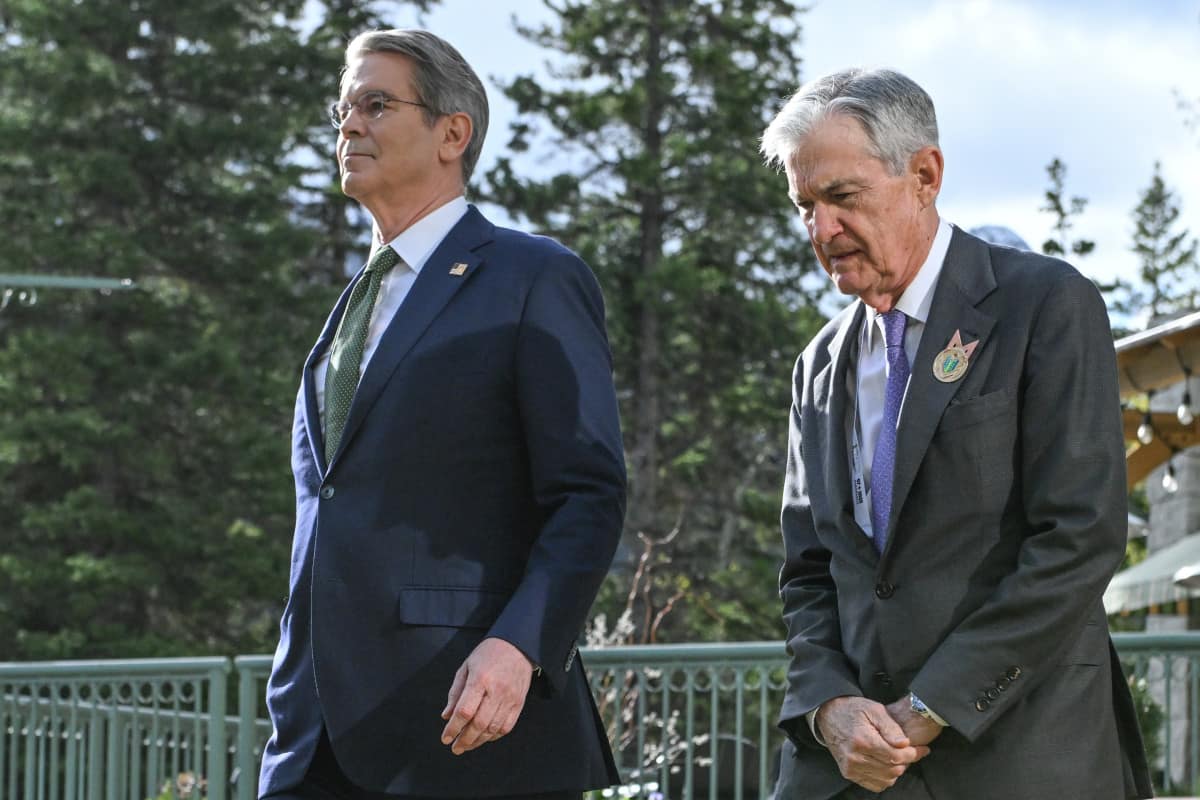
Senator Elizabeth Warren is now pressing the Treasury Department and the Federal Reserve to rule out any backdoor rescue for crypto markets. In a letter to Treasury Secretary Scott Bessent and Federal Reserve Chair Jerome Powell, she raised concerns about potential government intervention in the current Bitcoin selloff.
A Letter of Concern
Warren pointed to Bessent’s testimony before the House Financial Services Committee. During an exchange regarding his authority to bail out the cryptocurrency industry, Bessent was asked whether “the money of our taxpayers … is … going to be deployed into crypto assets.” Rather than giving a simple “no,” he deflected, stating that “we are retaining seized bitcoin.”

Warren believes that the lack of a clean denial invites speculation about what comes next. She wrote, “It’s deeply unclear what, if any, plans the U.S. government currently has to intervene in the current Bitcoin selloff.”
According to onchain analytics firm Arkham, the U.S. government currently holds approximately 328,372 Bitcoin (BTC) worth about $21.8 billion at current prices. The stash, largely accumulated through seizures tied to cases such as Silk Road and the Bitfinex hack, makes the government one of the largest known Bitcoin holders globally.
At current market levels near $66,400 per BTC, the value of those holdings is down significantly from their peak when Bitcoin traded above $125,000 in October, trimming billions from the portfolio’s paper value amid the broader market downturn.
Leverage and Liquidations
In the letter, Warren tied her warning to what she described as politically connected crypto activity unfolding during the downturn. She said the selloff “has been amplified by cascading liquidations of leveraged positions.” For context, more than $2 billion in leveraged crypto positions were liquidated during the early February drawdown, with Bitcoin briefly sliding below $61,000.
As an example of that leverage pressure, Warren pointed to activity at Trump-linked crypto venture World Liberty Financial. “World Liberty Financial has sold around 173 wrapped Bitcoin. This transaction was made to repay $11.75 million in USDC stablecoin debt, thereby avoiding liquidation as Bitcoin’s price dropped below $63,000.”

In other words, she argued that even well-connected crypto firms were forced to shore up positions as prices fell. Bitcoin has hovered near the mid $60,000 range as volatility cooled from the Feb. 5 capitulation, but liquidity remains fragile and liquidations continue to occur in size.
At the time of writing, Bitcoin (BTC) was trading at $65,906 on CoinGecko, down 0.78% on the day, extending its monthly decline to nearly 29%.
Impact on Major Players
Warren emphasized that even the largest players are not insulated when Bitcoin drops hard. “During this selloff, crypto billionaires have taken massive hits, as Bitcoin’s value continues to plummet,” she wrote. She added that Michael Saylor’s Strategy Inc. “has reportedly seen its shares fall nearly 20% since the beginning of the year.” Warren also cited reported losses among other headline names in crypto.
“Other major Bitcoin investors have also seen losses, including Binance founder Changpeng Zhao, who reportedly lost nearly $30 billion, and Coinbase’s Brian Armstrong, who reportedly lost $7 billion.”
Her point was that large paper losses for prominent crypto figures do not, by themselves, justify government intervention. But turning those losses into a reason for taxpayer support is exactly what she wants regulators to reject.
Final Warning to U.S. Authorities
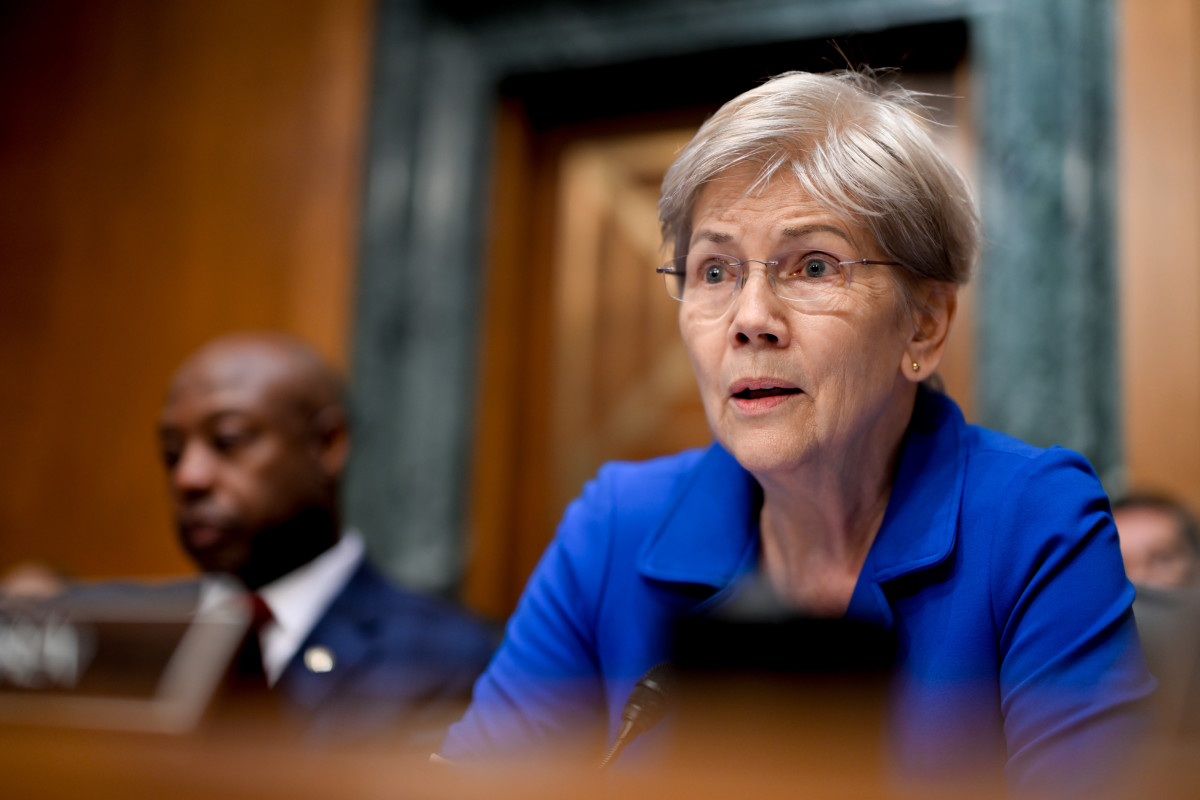
Warren warned that both Treasury and the Fed have tools that can support markets in a crisis, and she wants a clear commitment those tools will not be used to cushion crypto investors. She also raised a conflict concern, arguing that any intervention could “directly enrich” President Donald Trump and his family, given their connection to World Liberty Financial.
“Your agencies must refrain from propping up Bitcoin and transferring wealth from taxpayers to crypto billionaires through direct purchases, guarantees, or liquidity facilities.”